July 5th — 19th, 2026

Two weeks of AI, mathematics and outdoor adventure for curious students aged 10 to 20.

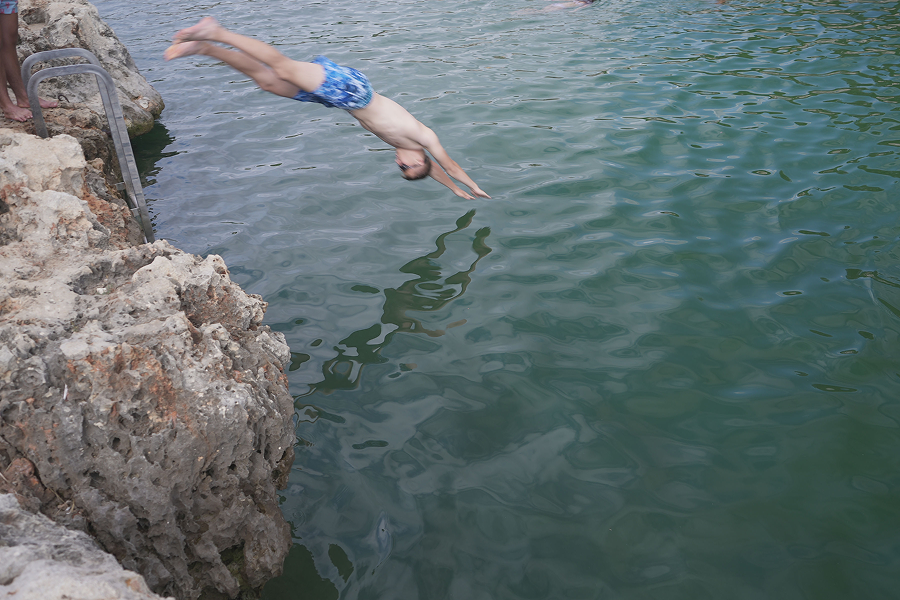
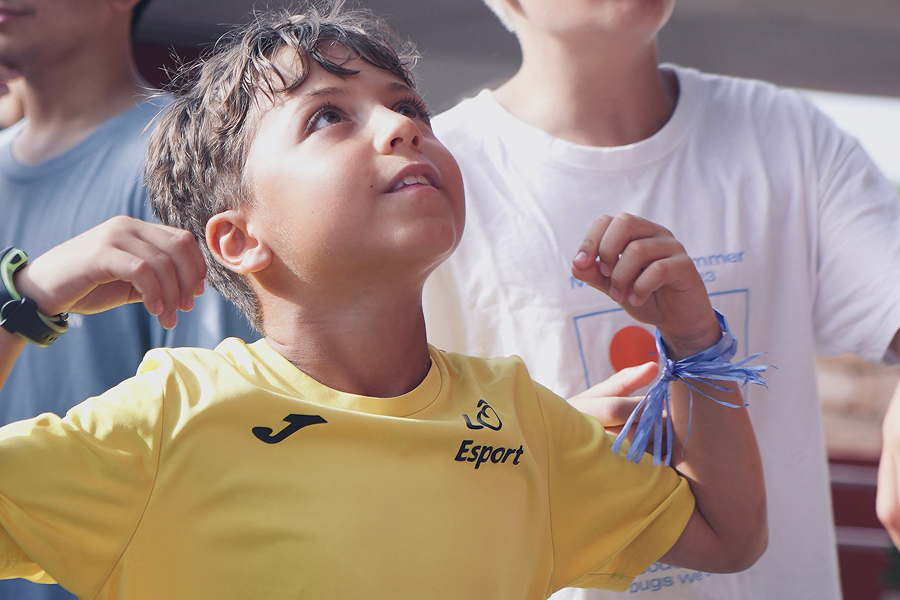
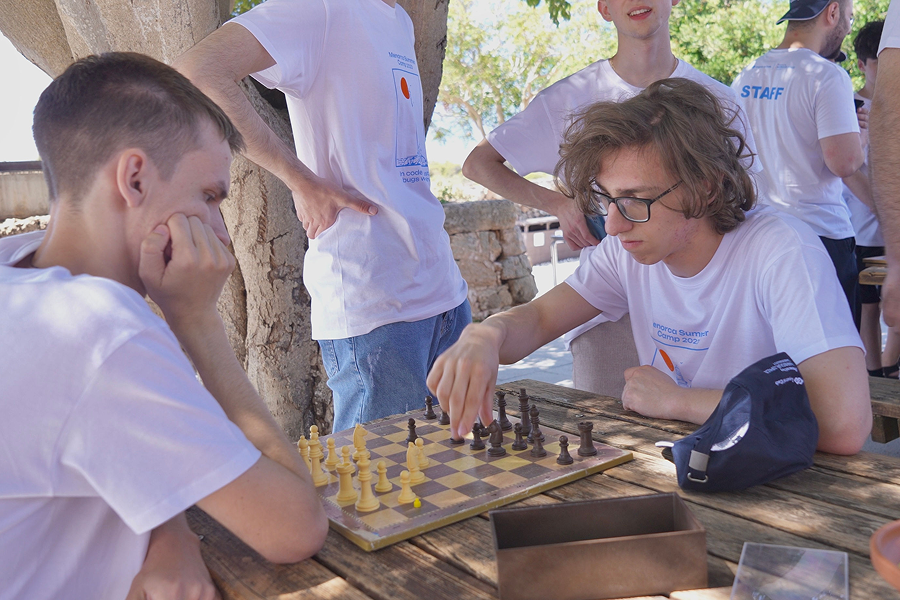
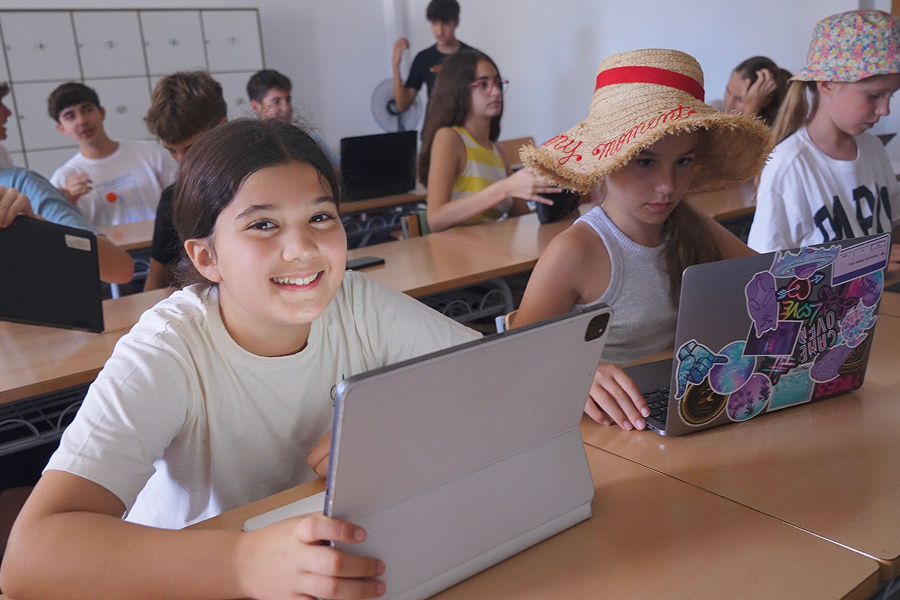
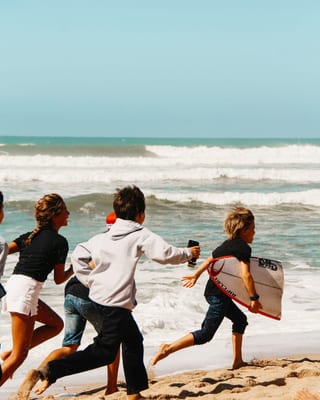
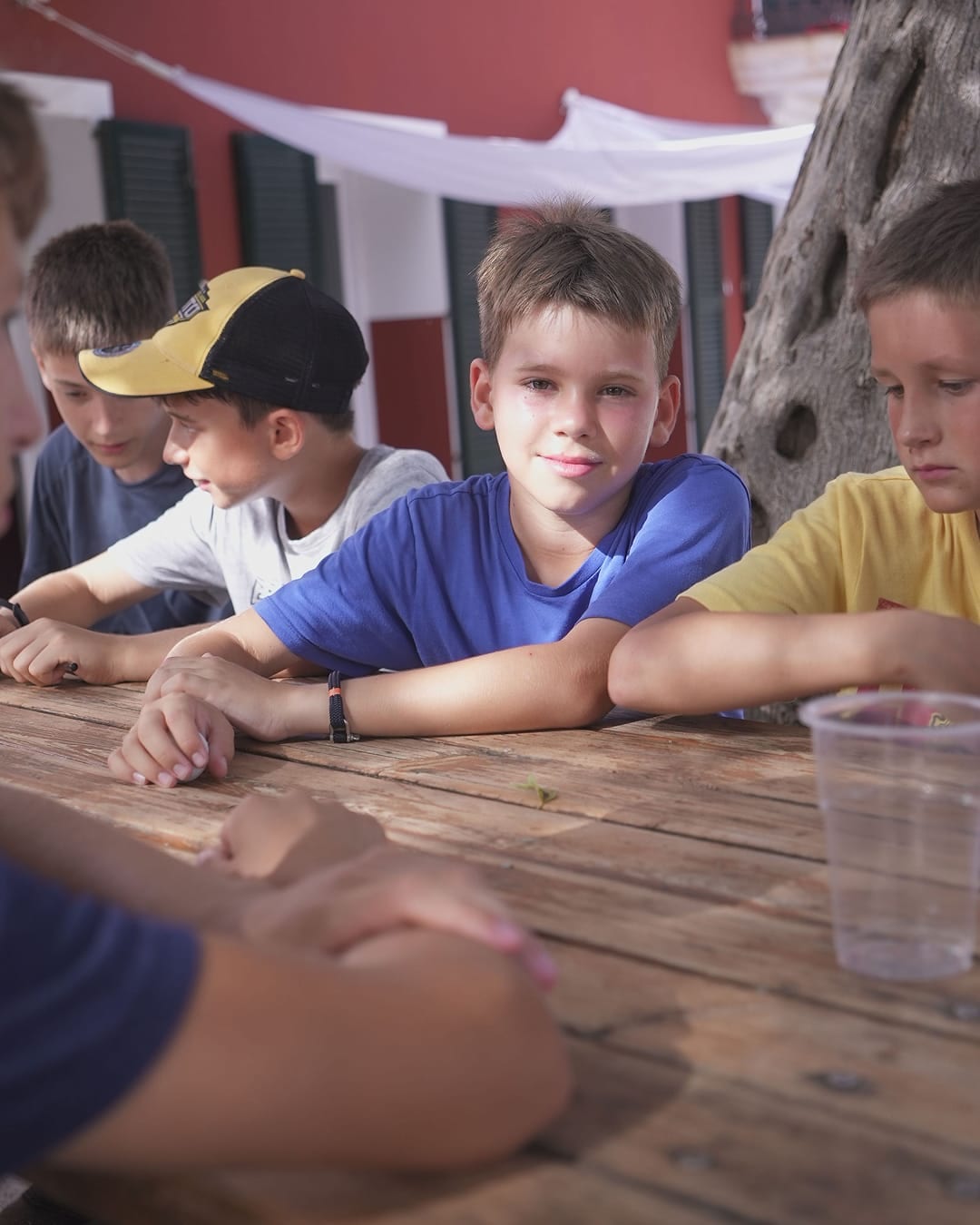
Most summer camps make you choose: serious academics or a great summer. We don't think that's a good enough deal. At our camp, mornings go deep into AI and afternoons go to Tenerife's beaches, trails and historic towns. Both halves are built with equal care.

  • Language English
  • Ages 10–20
  • Dates July 5–19, 2026

Backed by Harbour.Space and Leagues of Code

Two organisations with years of running serious educational programs at scale. The Harbour.Space team has prepared winners of international olympiads in competitive programming and runs the Spanish national selection for the International Olympiad in AI.

A track for every starting point

The Beginners track opens the door for students with little or no AI experience. The Advanced track is structured, rigorous training for those ready to go deep. Each student picks one they are ready for.

National AI olympiad teams train at the camp

Alongside our two student tracks, the camp hosts top-performing students from multiple countries preparing for the International Olympiad in AI. Outside class, all three groups mix on the same trips, beaches and dinner tables. For a beginner, that proximity is motivation no classroom can manufacture. For advanced students, it's a reminder there's always further to go.

learning TRACKS

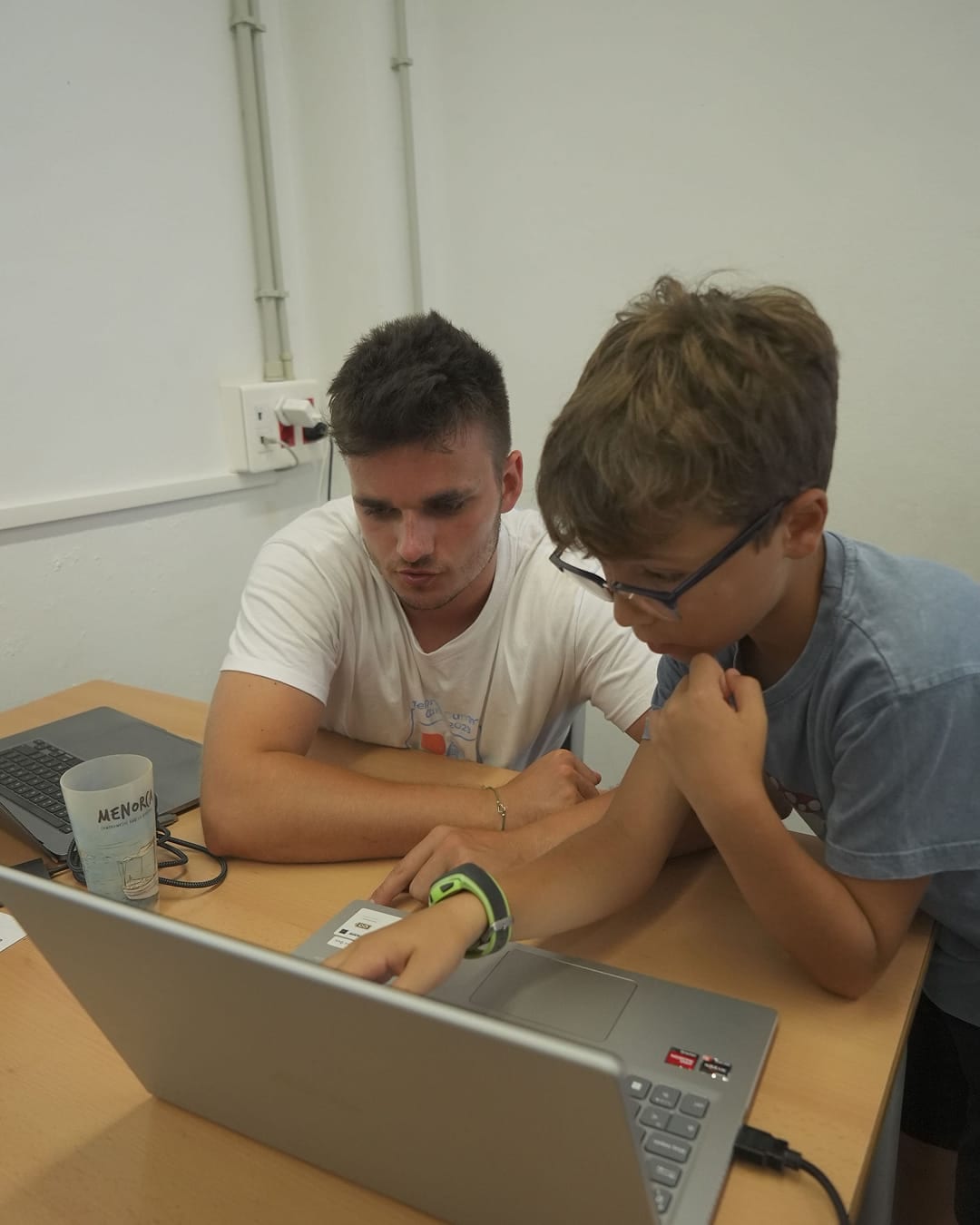
Each student commits to one track for the two weeks — beginner or advanced. Ten sessions, 45 hours in total, taught in small groups by working researchers and engineers. The format is hands-on, and every track ends with something built.

Beginner

For students curious about AI with little or no prior experience. The goal isn't to overwhelm — it's to open a door, build real intuition, and make the subject feel exciting rather than intimidating.

Python

No experience needed — just a willingness to think logically and try things out. This track starts from zero and builds steadily: variables, conditions, loops, functions, and eventually a complete working program that you design and build yourself. By the final session, you're not just writing code — you're presenting it, explaining it, and understanding what comes next.

You'll leave with

A working Python program, a solid foundation in programming logic, and the confidence to keep going independently.

Artificial Intelligence

AI is everywhere — but most people have no idea how it actually works. This track changes that. No coding required. You'll learn what AI really is (and isn't), how machines learn, what data does, how computer vision works, and how to use AI tools effectively. You'll also tackle the harder questions: bias, fairness, and what it means to use AI responsibly.

You'll leave with

A clear mental model of how AI systems work, hands-on experience with real AI tools, and a final project that puts your understanding into practice.

Game Development

Ever wondered how games actually work — not just how to play them, but how they're built? This track takes you inside the structure of games: the rules, the mechanics, the logic that makes things move and respond. No prior coding knowledge required. You'll finish the camp with a fully playable game you designed and built yourself.

You'll leave with

A complete playable game, an understanding of how game logic works, and a new way of looking at every game you play.

Design

Design isn't decoration — it's a way of solving problems. This track covers the full creative spectrum: visual design, typography, photography, sound, video, and 3D. You'll work with industry-standard tools like Figma and Canva, and by the end you'll have a multi-format portfolio that shows what you can do across different media.

You'll leave with

A structured creative portfolio, practical skills across multiple design disciplines, and a new understanding of how visual communication works.

Advanced

For students ready for a serious challenge. Structured, rigorous training for those who want to push well past school-level material and into the kind of work done at olympiad and research level.

Mathematics

For students who are ready to go well beyond school-level mathematics. This track covers quadratic and polynomial functions, exponential and logarithmic models, trigonometry, set theory, and sequences — connecting them not as isolated topics but as a coherent mathematical toolkit for tackling complex problems. The final session is a multi-round problem-solving showcase across all areas covered.

You'll leave with

Fluency in advanced mathematical concepts, the ability to move flexibly between different areas of mathematics, and the kind of problem-solving confidence that shows up everywhere.

Algorithms

This track is for students who are already strong programmers and ready to compete at the highest level. The curriculum covers the data structures, algorithms and problem-solving strategies used in top programming olympiads — from segment trees and persistent data structures to graph theory, shortest path algorithms and network flow. You'll work through real olympiad problems under timed conditions, learn to read and analyse top-scoring solutions, and finish with a mock competition. By the end, you'll have the tools and the mindset to perform when it counts.

You'll leave with

A deep command of advanced algorithms and data structures, the ability to decompose complex problems under pressure, and real competitive programming experience.

Artificial Intelligence

For students who already know Python and have some familiarity with AI concepts, this is where things get serious. You'll work with real datasets, train and evaluate machine learning models, and go hands-on with neural networks, computer vision, and model optimization. The track culminates in a group project where your team identifies a real-world problem and builds a working ML solution to present on the final day.

You'll leave with

Practical experience across the full machine learning pipeline, exposure to computer vision and deep learning, and a group project that demonstrates what you can actually do.

Not sure if it's the right camp?

Students arrive with no prior experience. All they need is an openness to try something new. It's ideal for those who:

  • Like figuring out how things work
  • Are curious about AI
  • Want to meet peers from around the world
  • Are ready for a summer that counts

superstar COACHES

Every track is led by someone who works in the field, not just teaches it. The team includes research engineers from leading AI institutes, competitive programming coaches, olympiad winners, PhD researchers, and industry professionals with experience at major tech companies. Several instructors have coached or competed at international level themselves.

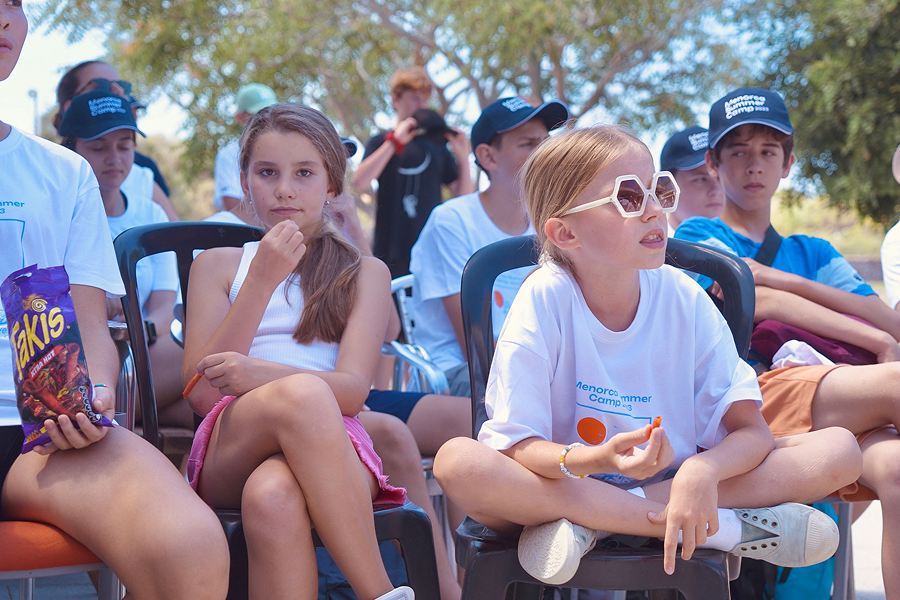
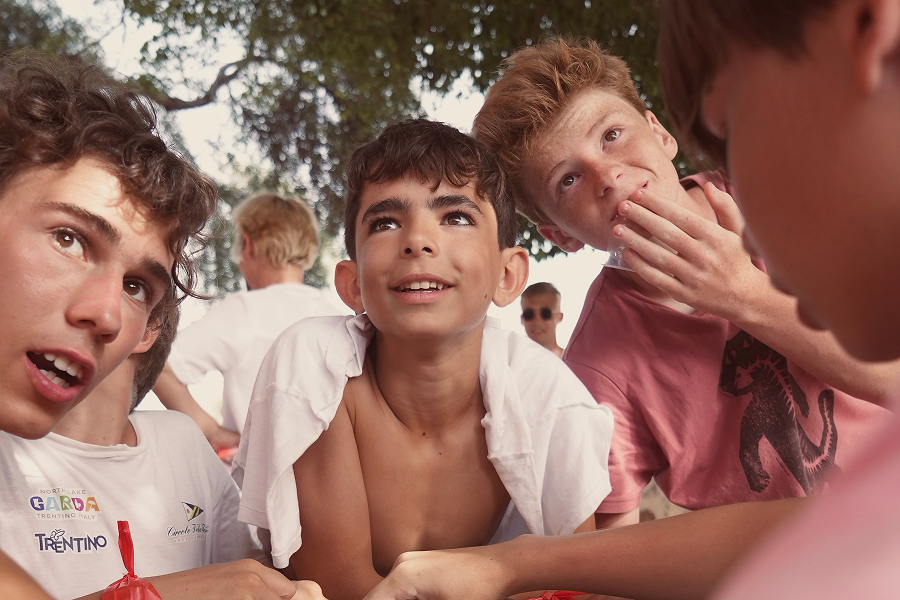
Outside of study hours, campers have a full schedule of activities across Tenerife — beaches, national parks, historic towns and more.

Day 1

Welcome & getting to know each other

Day 2

Historic Puerto de la Cruz

Day 3

Beach sports

Day 4

Yoga workshop & beach

Day 5

Rambla de Castro coastal trail

Day 6

Traditional Canarian games

Day 7

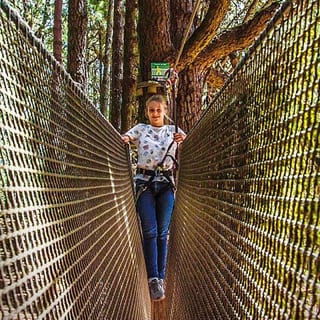
Zip-line park at Forestal Park

Day 8

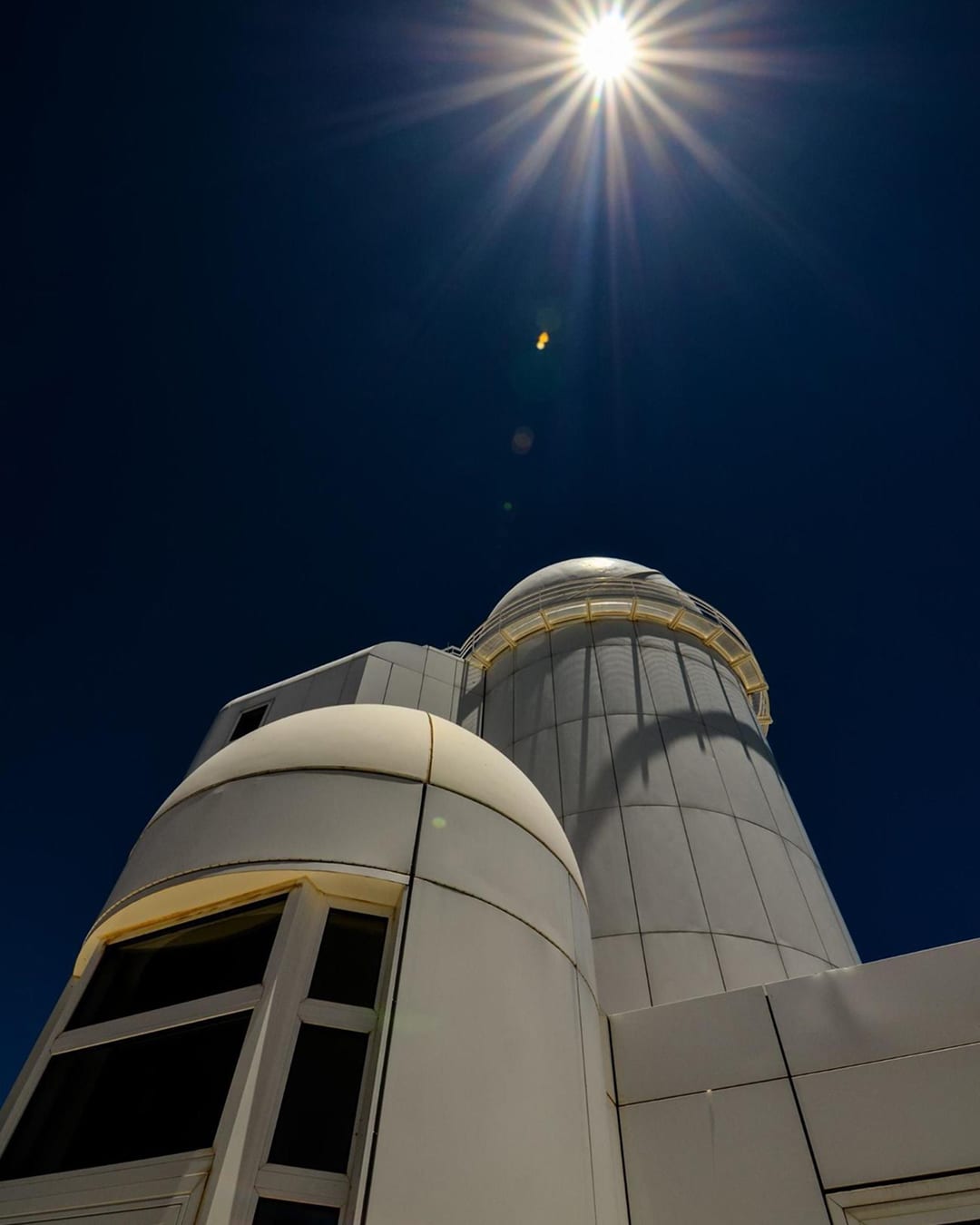
Teide National Park & Observatory

Day 9

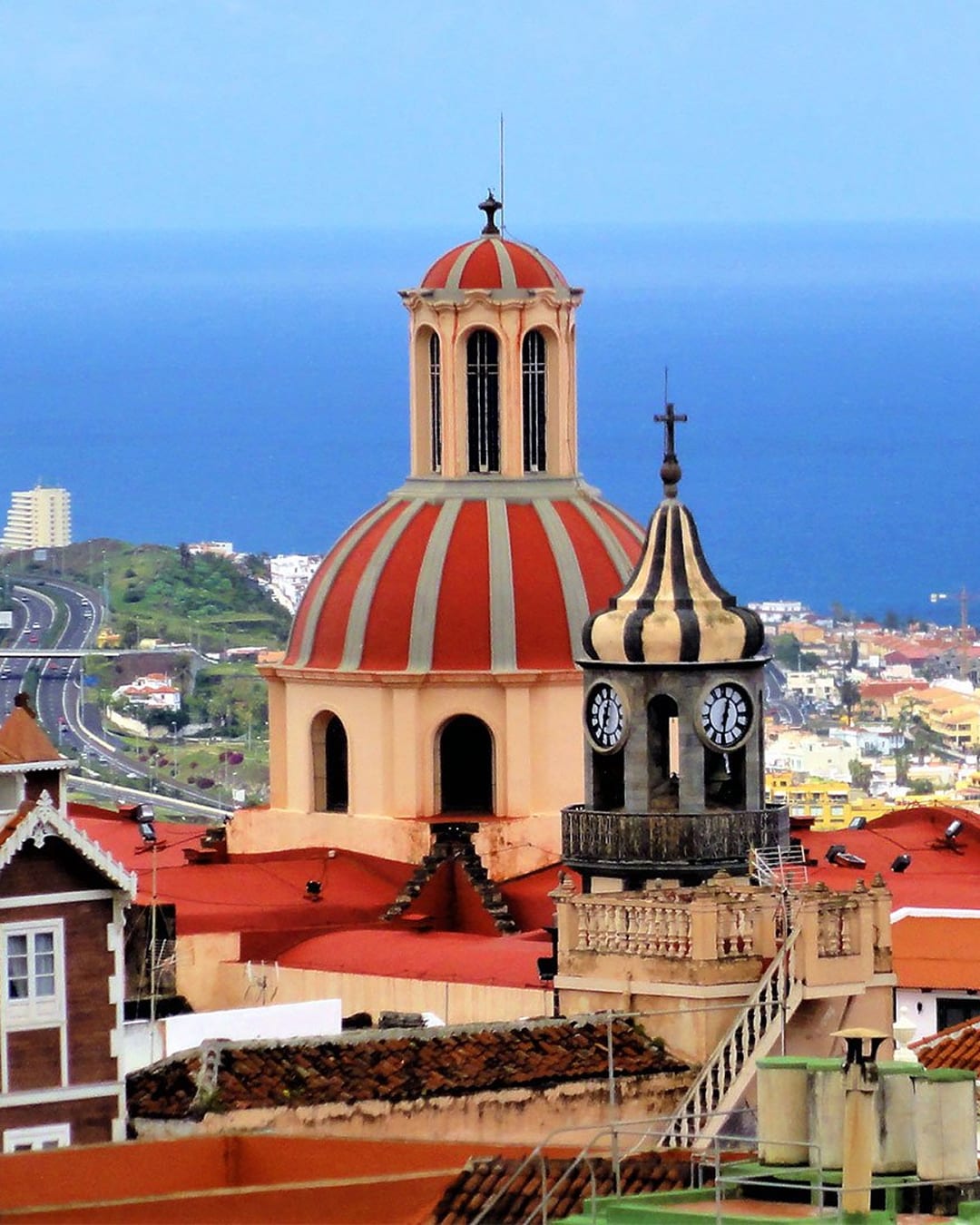
La Orotava cultural walk

Day 10

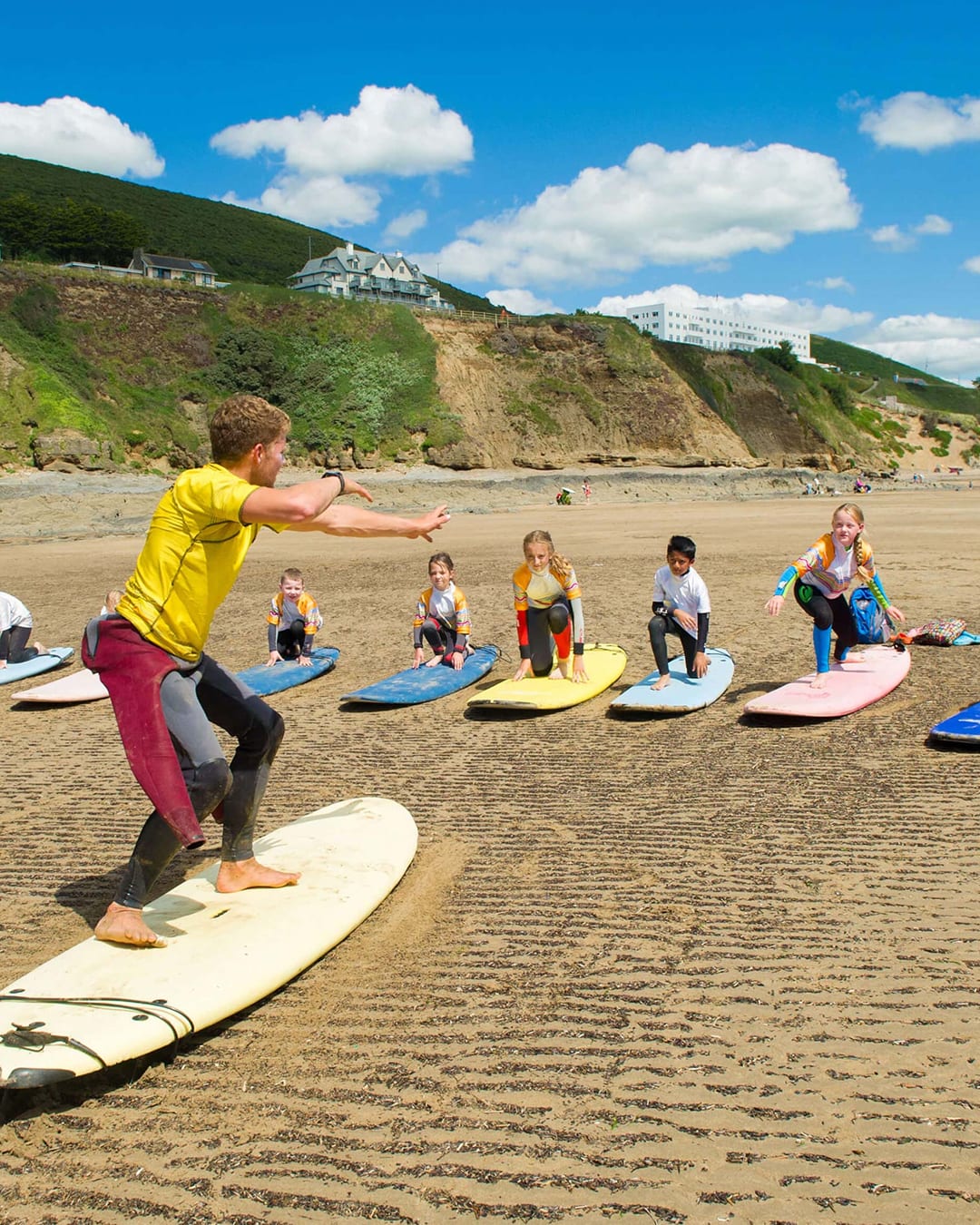
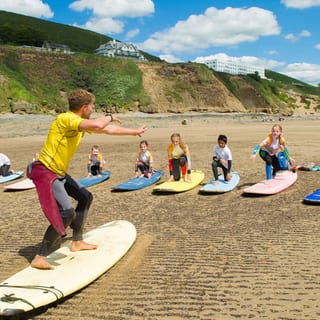
Surfing at Playa Martiánez

Day 11

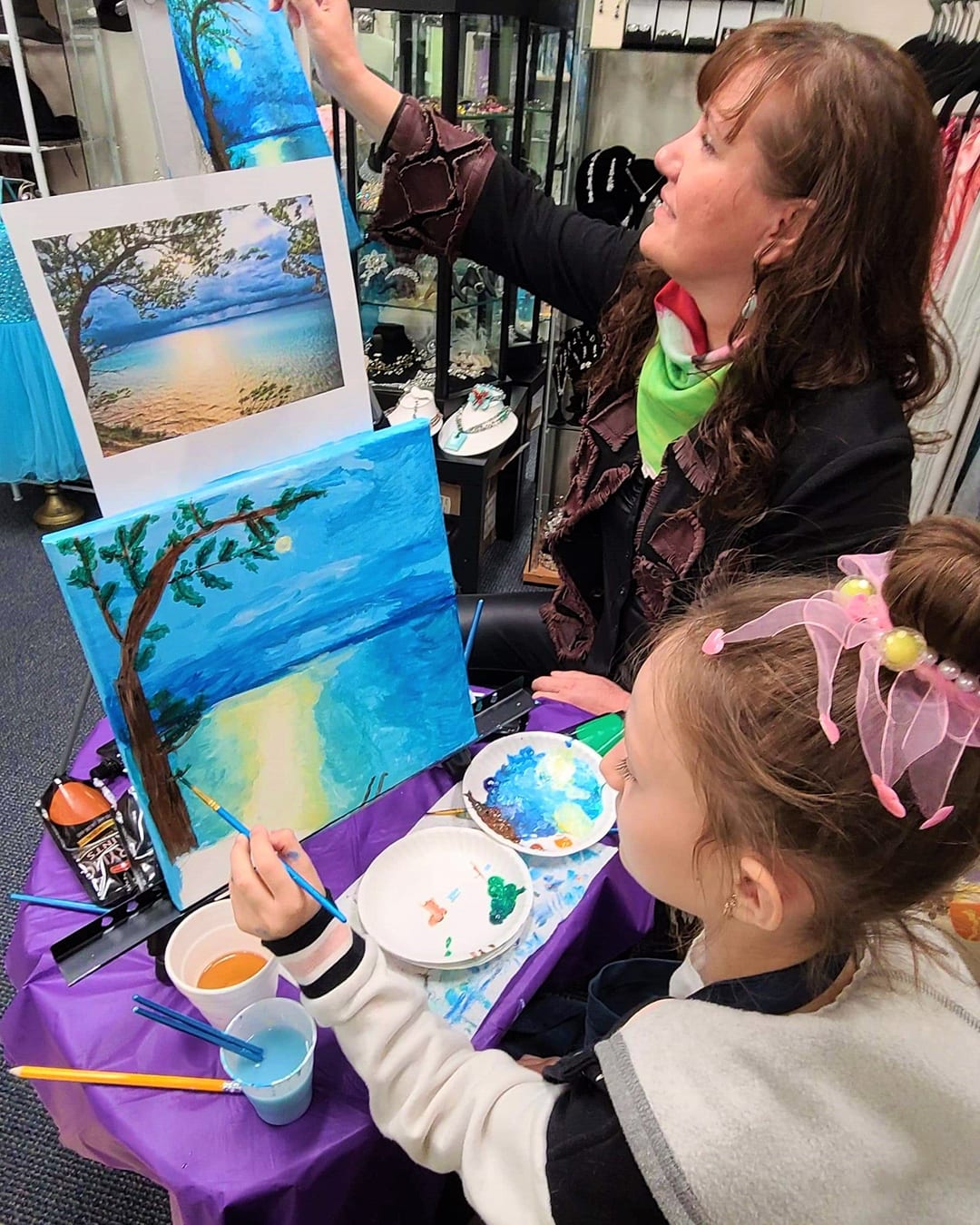
Painting workshop & beach

Day 12

Surfing, round two

Day 13

Farewell beach games

Day 14

Loro Parque

Day 15

Farewell & the jar of messages

The camp kicks off with a walk along the seafront of Puerto de la Cruz, finishing at the historic Plaza del Charco. Along the way, campers take part in a simple but effective icebreaker — sharing their name, something they love, and their plans for the future. By the end of the evening, the campers already feel like a team.

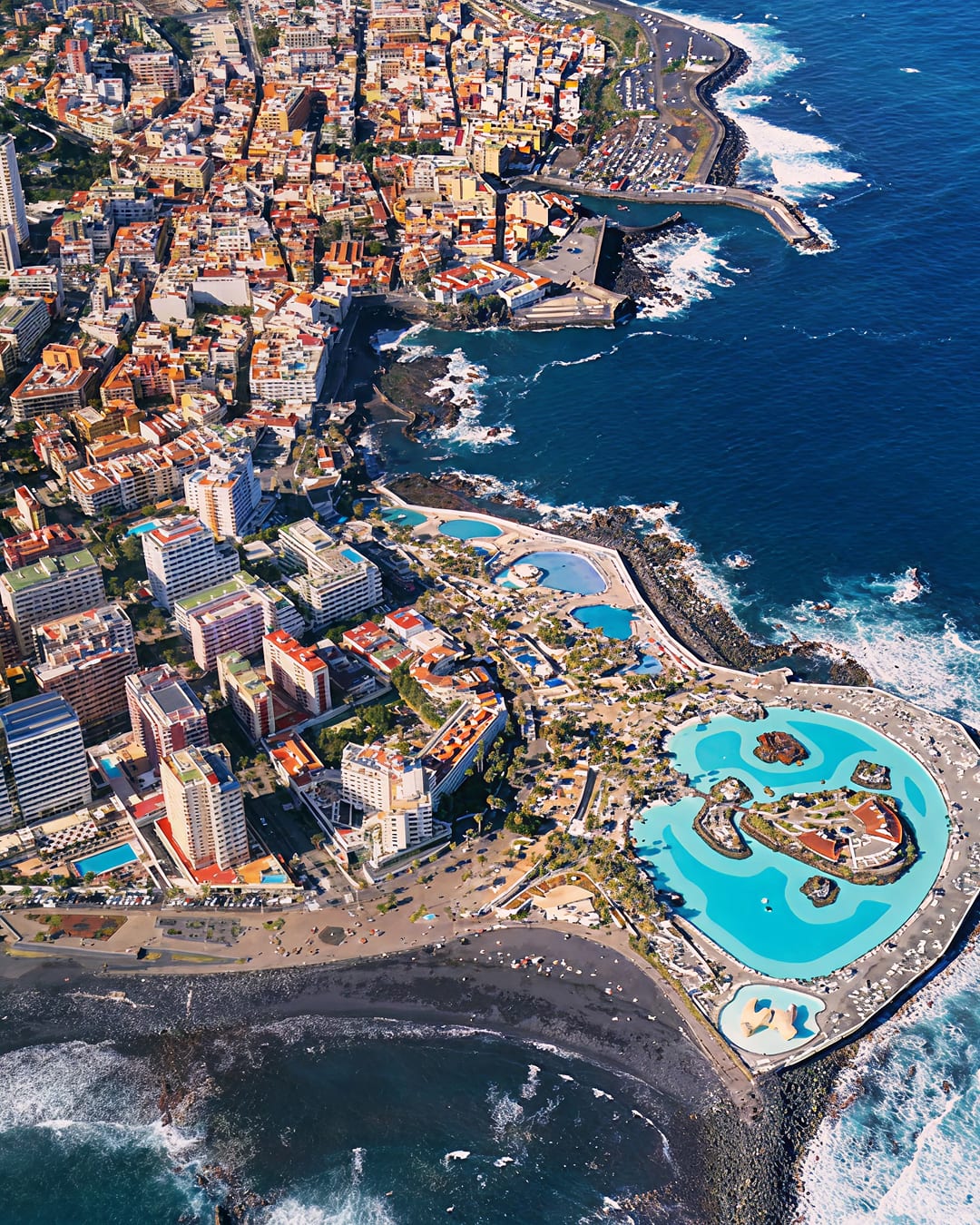
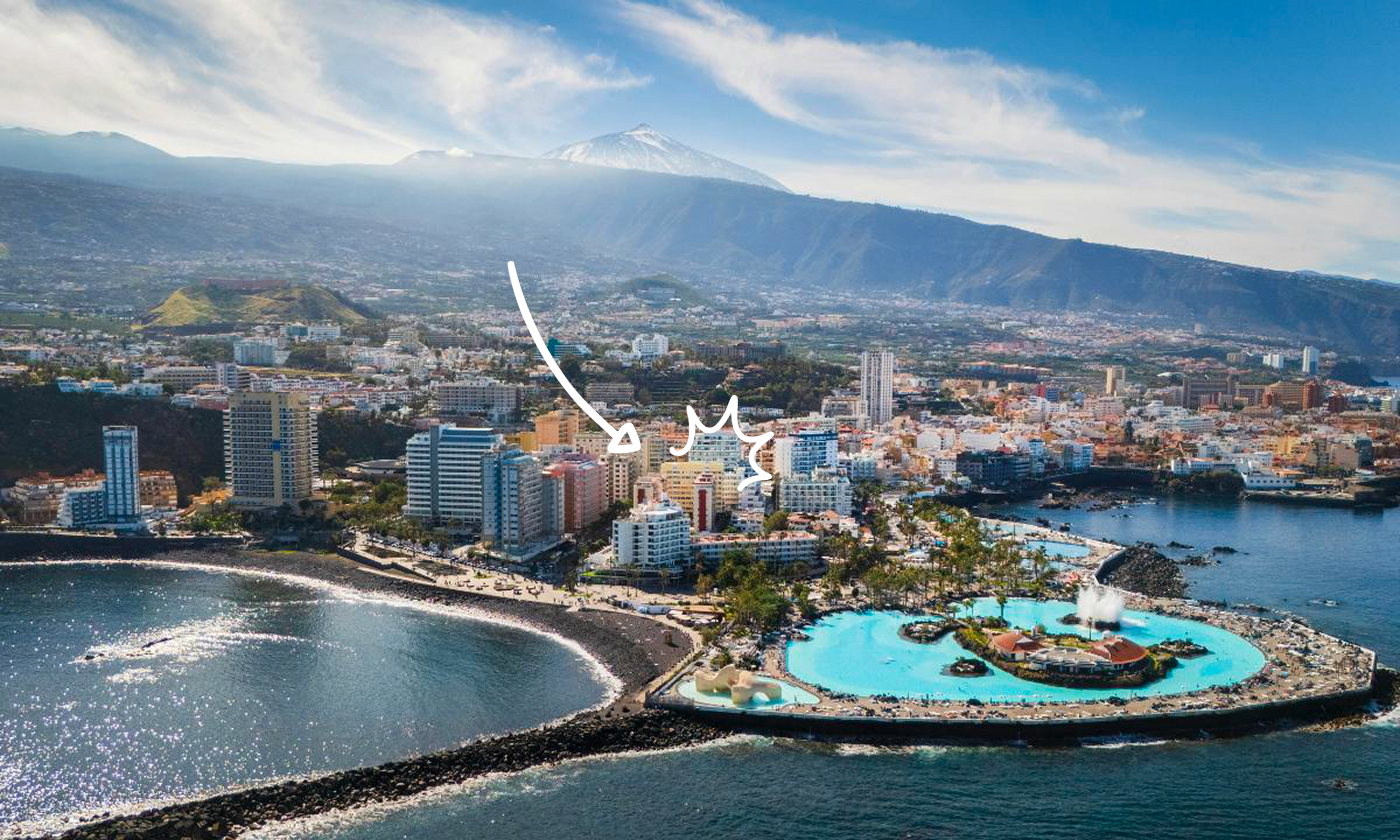
Campers explore the old town on a guided cultural walk that brings local history to life. Highlights include the 17th-century Church of Nuestra Señora de la Peña de Francia, the town's historic fishing pier — once used to export Malvasia wine — Playa Jardín designed by celebrated Canarian artist César Manrique, and the Castle of San Felipe, a coastal fortress built to defend against pirates. The walk ends back at the iconic Lago Martiánez pool complex.

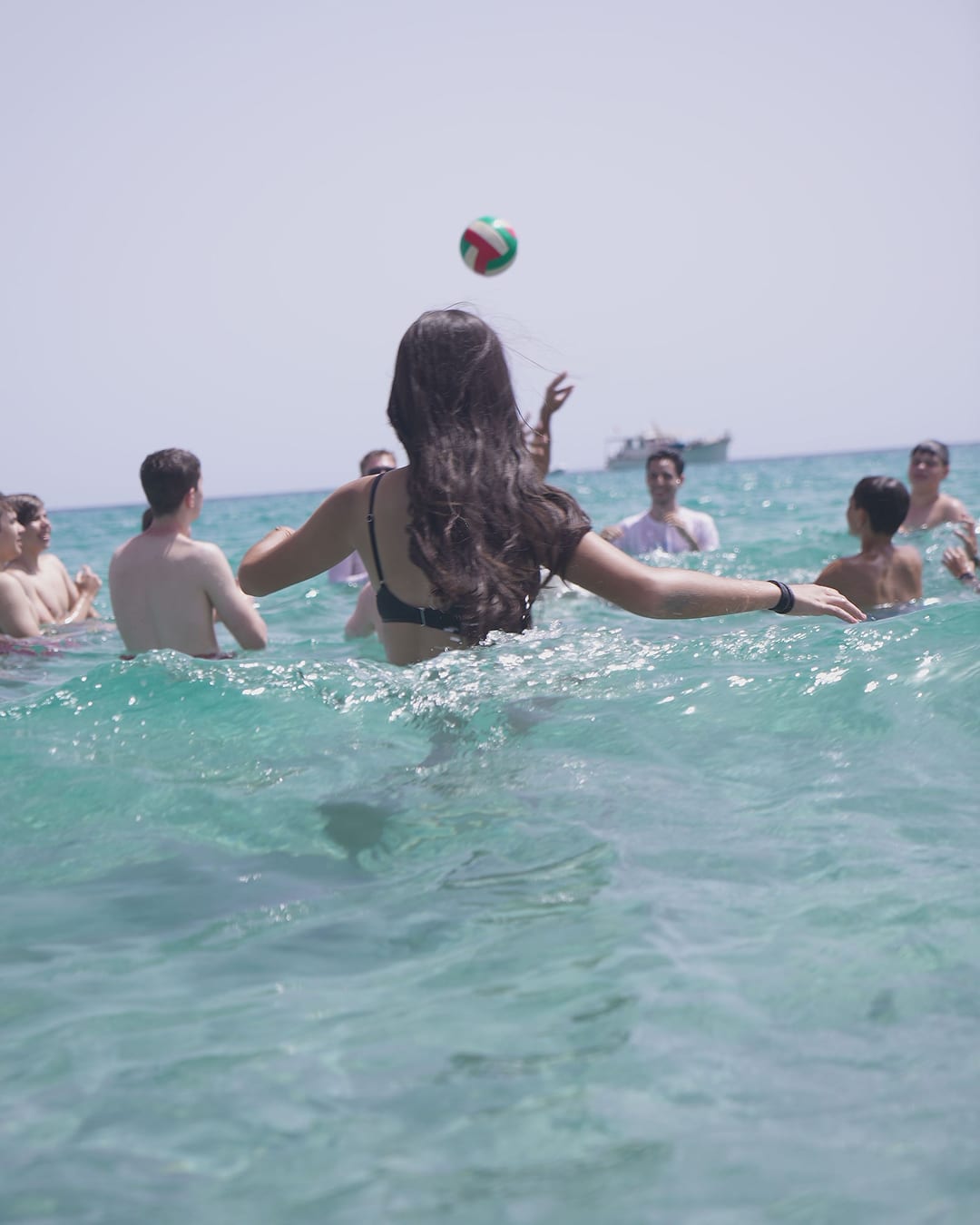
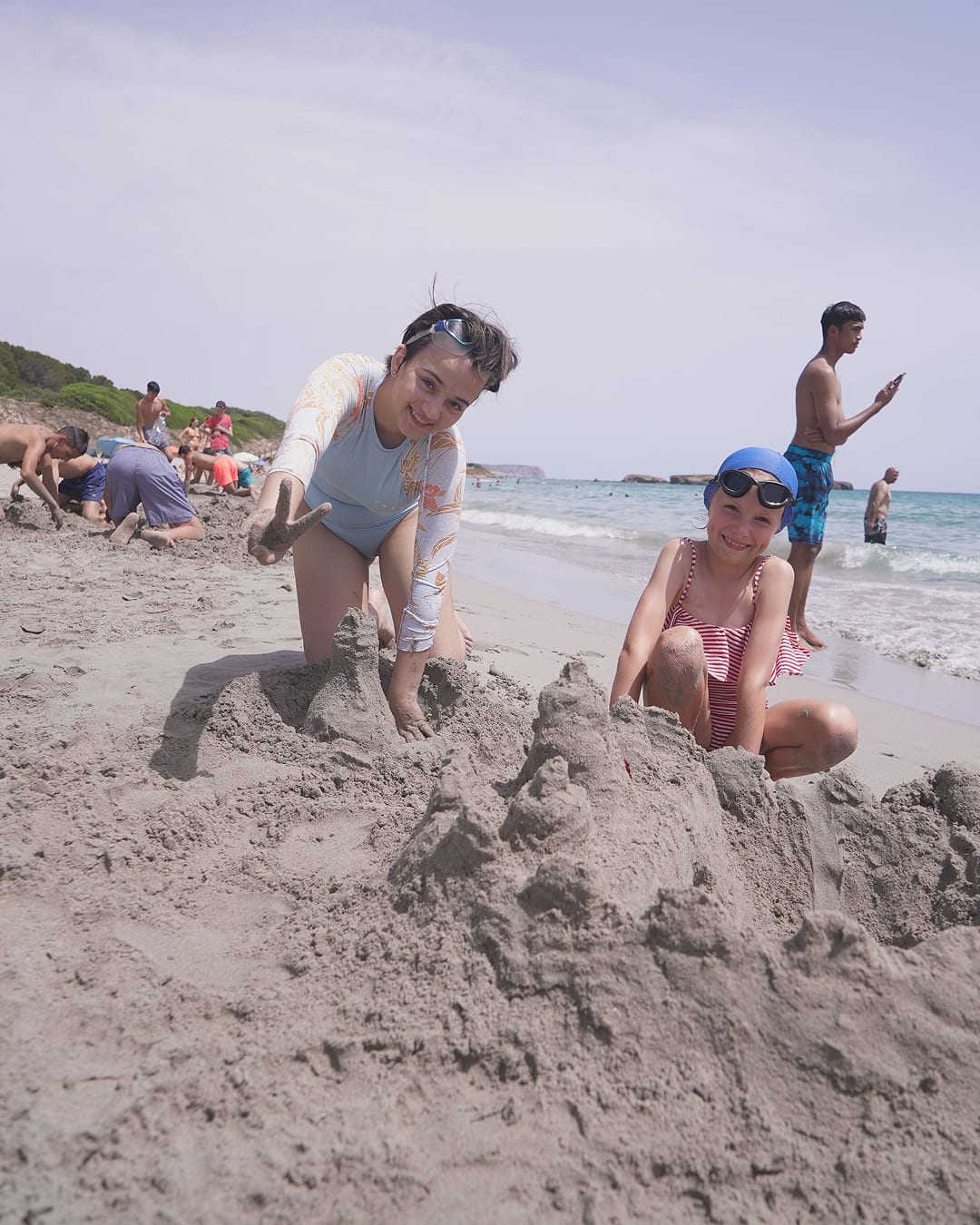
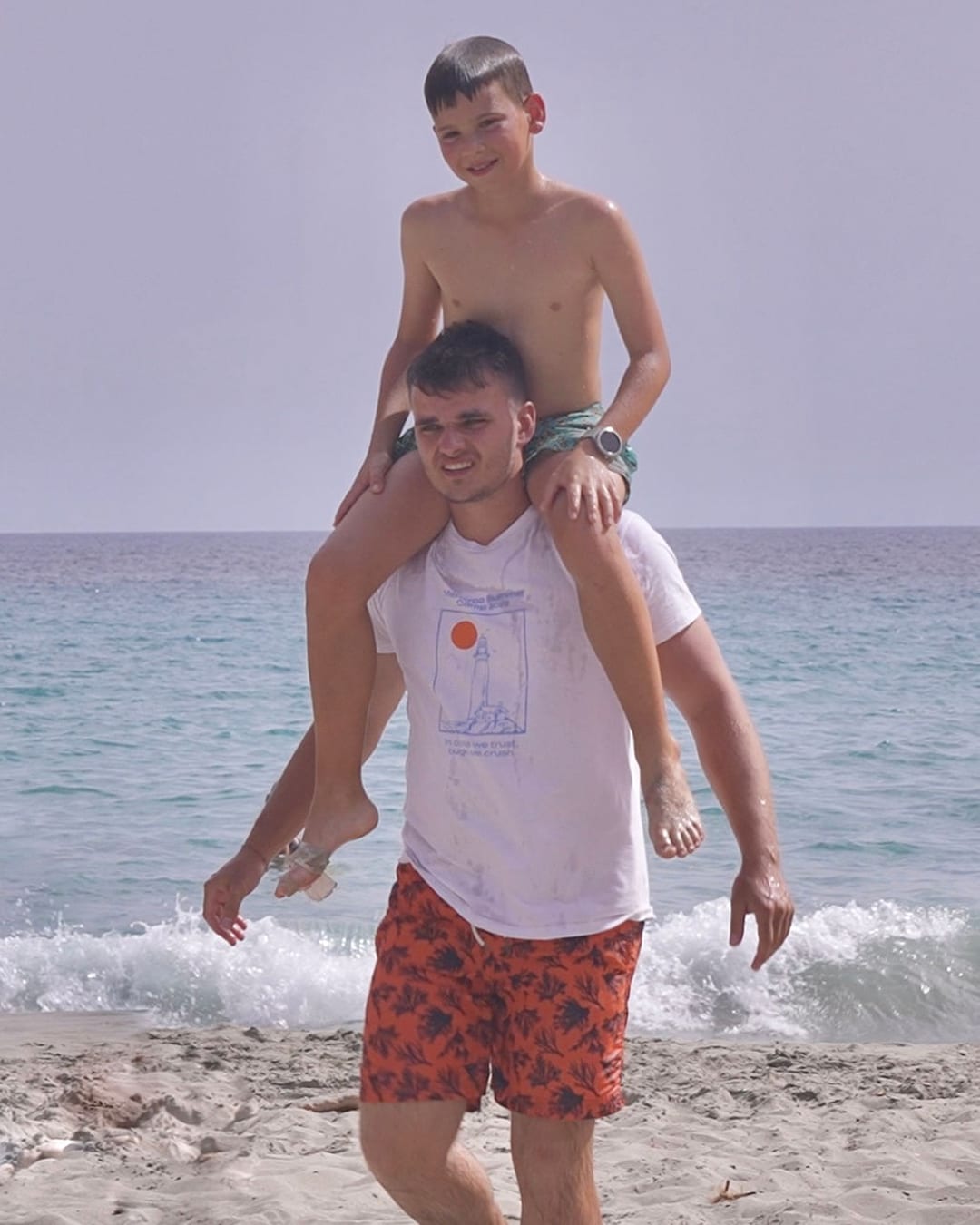
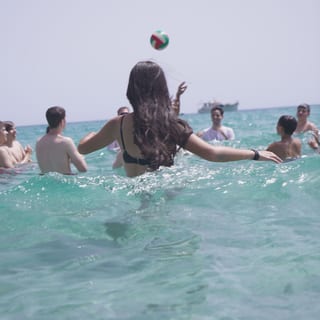
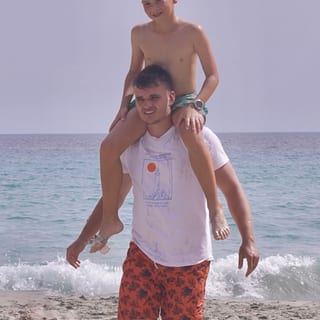
A full afternoon at Playa Jardín with volleyball, football, tennis and frisbee. Campers rotate through activities in small groups, keeping it social, competitive and fun.

A more mindful afternoon. While some campers enjoy the beach, others take part in a yoga workshop designed to balance the physical intensity of the week with self-care and reflection. Every camper gets their session.

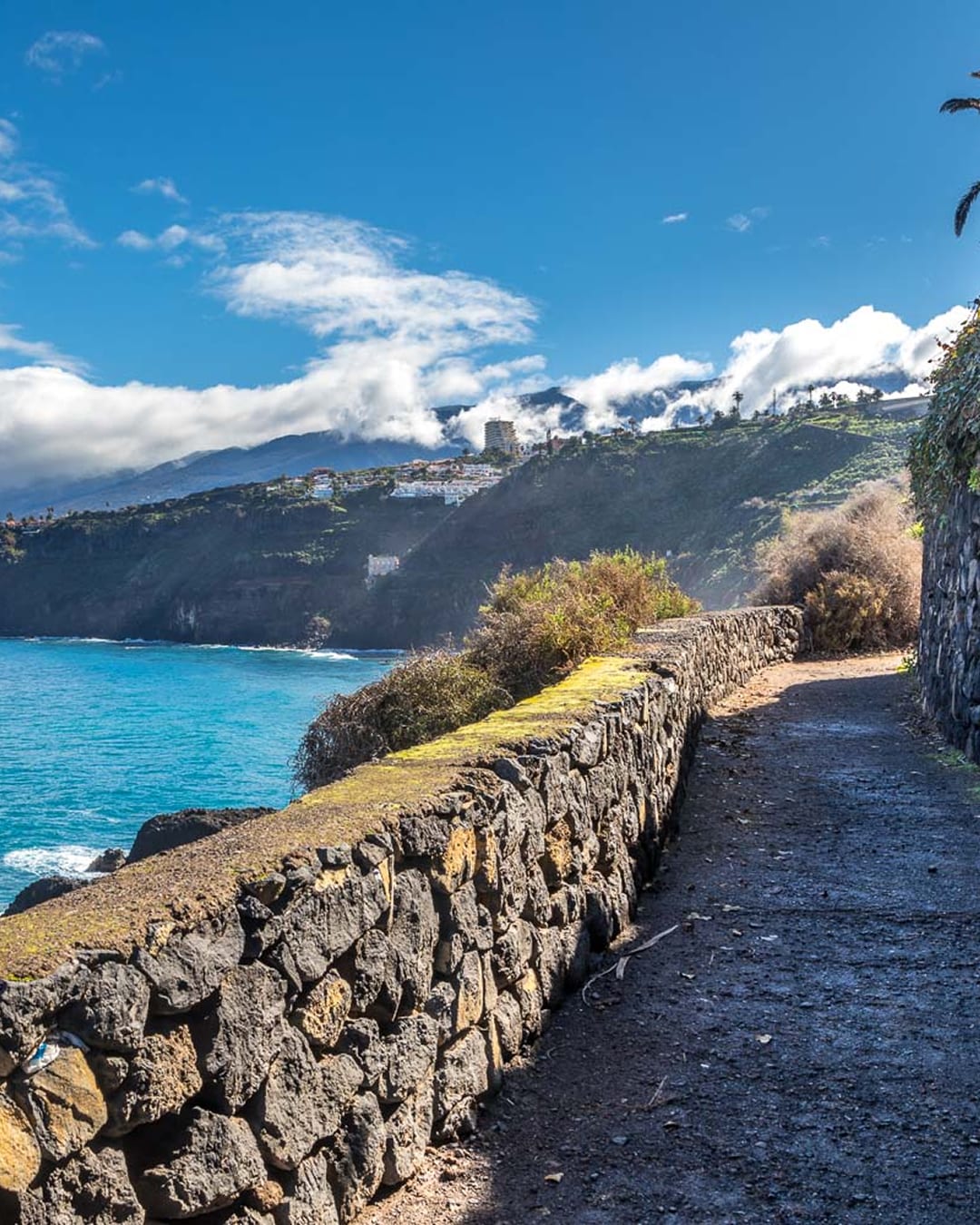
A scenic coastal hike through one of Tenerife's most beautiful natural routes. The group passes black-sand coves, a historic 1903 steam-engine pumping station, a wooden bridge over a ravine, an 18th-century coastal fort, and arrives at Mirador de San Pedro — a clifftop viewpoint with sweeping ocean views.

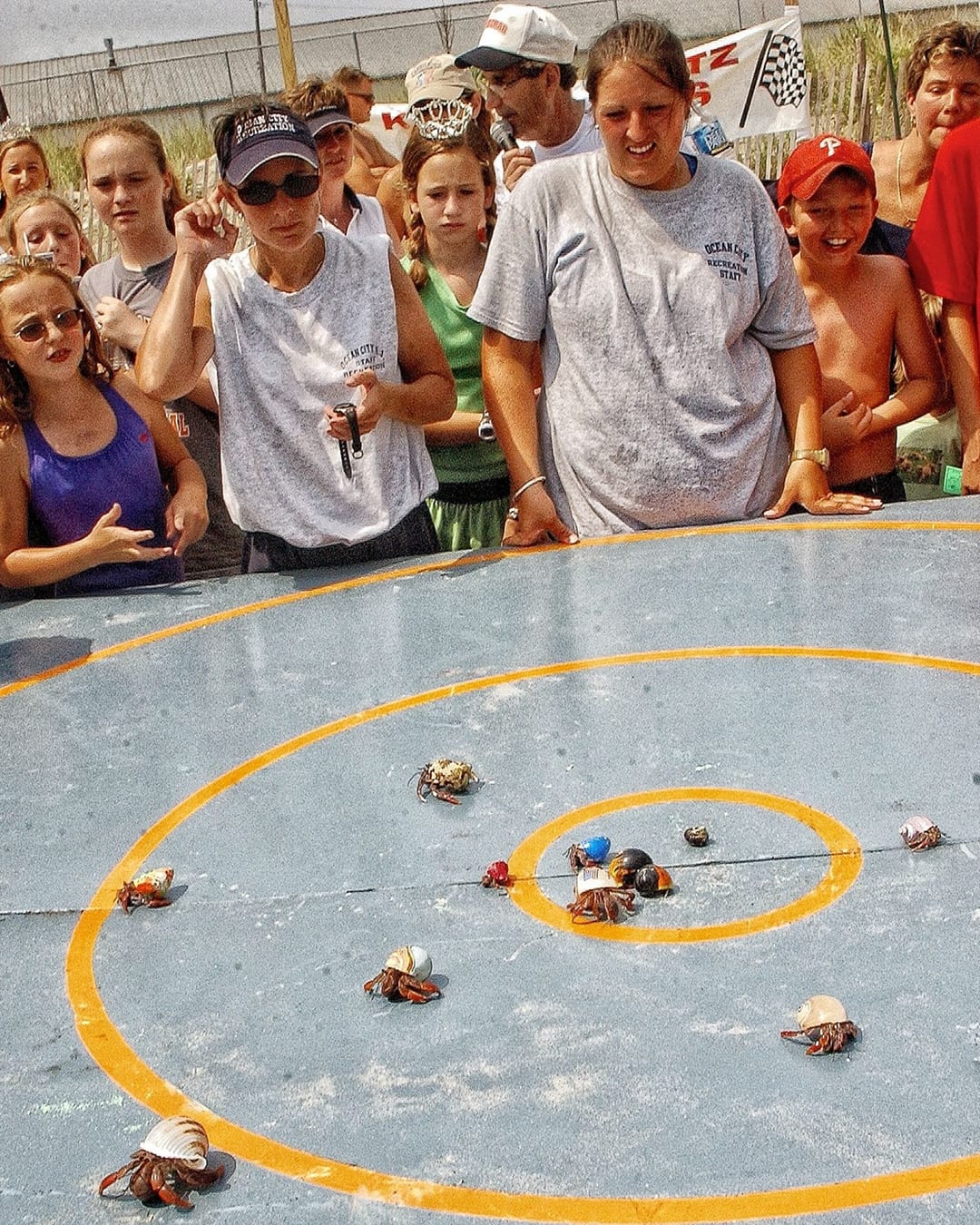
Back at Playa Jardín for an afternoon of traditional games from the Canary Islands: crab races, tug-of-war and the handkerchief game. Loud, fun, and a genuine window into local culture.

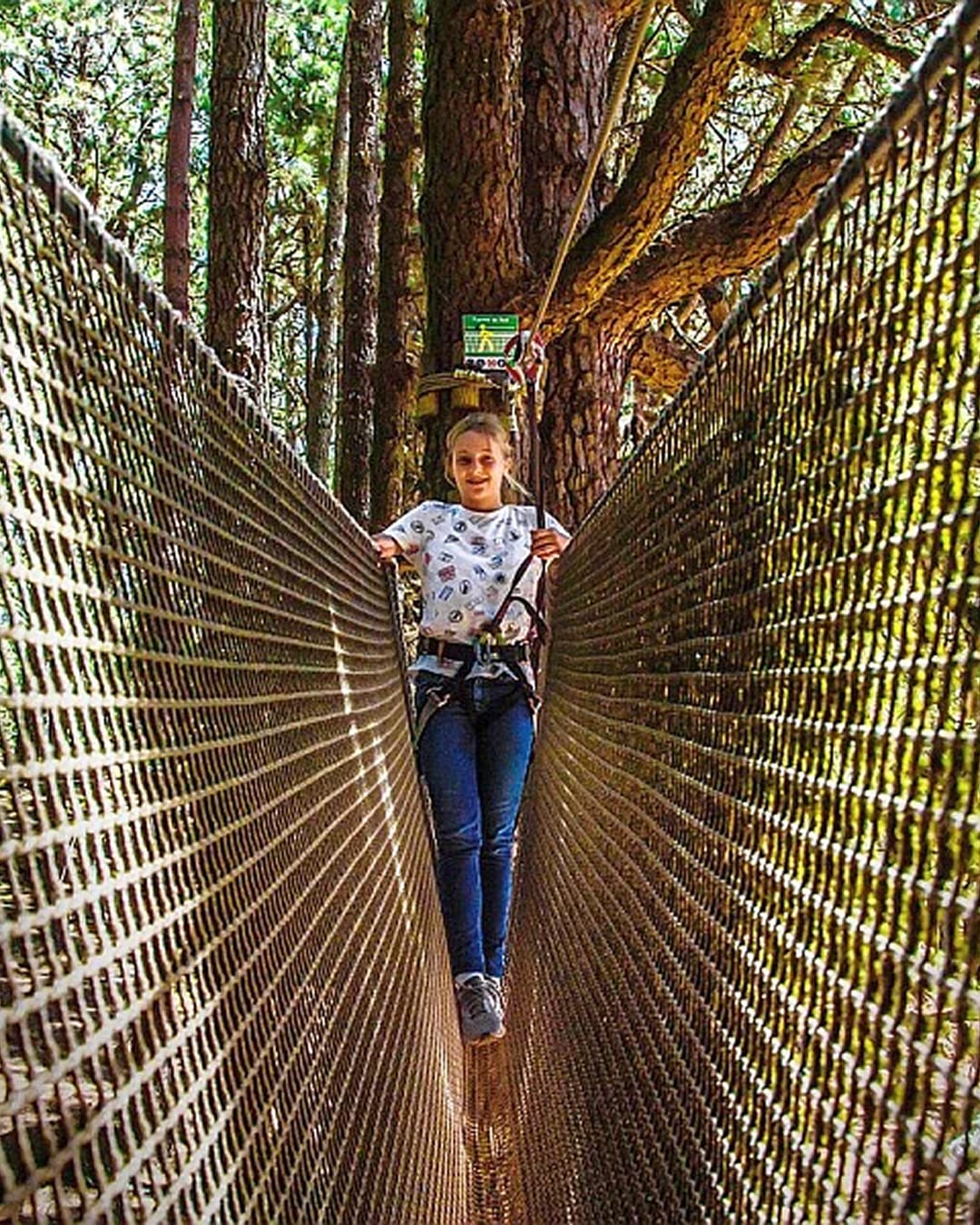
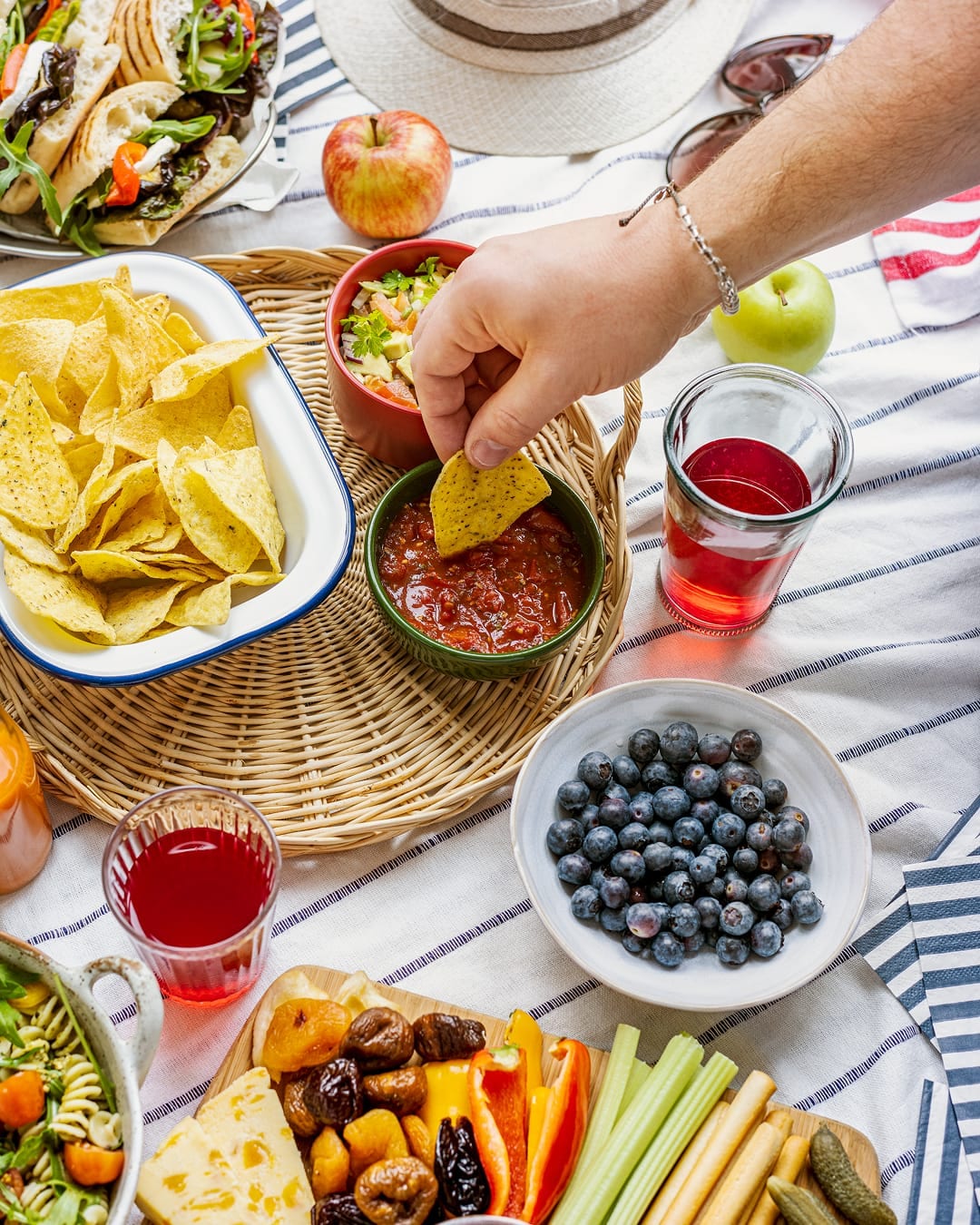
A special day at Forestal Park Tenerife, a high-altitude adventure park in the forests of Monte de La Esperanza. Before heading in, the group takes part in a short session on emotions — naming them, noticing them, and letting go of the negative ones through a dreamcatcher activity afterward. Lunch is a picnic in the forest.

A full-day excursion to the top of Tenerife. One group visits the Teide Observatory, home to leading European solar telescopes. The other explores the El Portillo Visitor Centre, with exhibitions on volcanic geology, a botanical garden of native species and a simulated volcanic tube. Both groups then meet at Roques de García for lunch and a breathing and nature connection activity, surrounded by one of the most dramatic landscapes in Europe.

A guided tour through the beautifully preserved historic town of La Orotava. Campers visit a neo-Gothic chapel, a 19th-century French garden with panoramic views, the iconic Casa de los Balcones with its carved wooden architecture, and a traditional gofio mill — a staple of Canarian food culture.

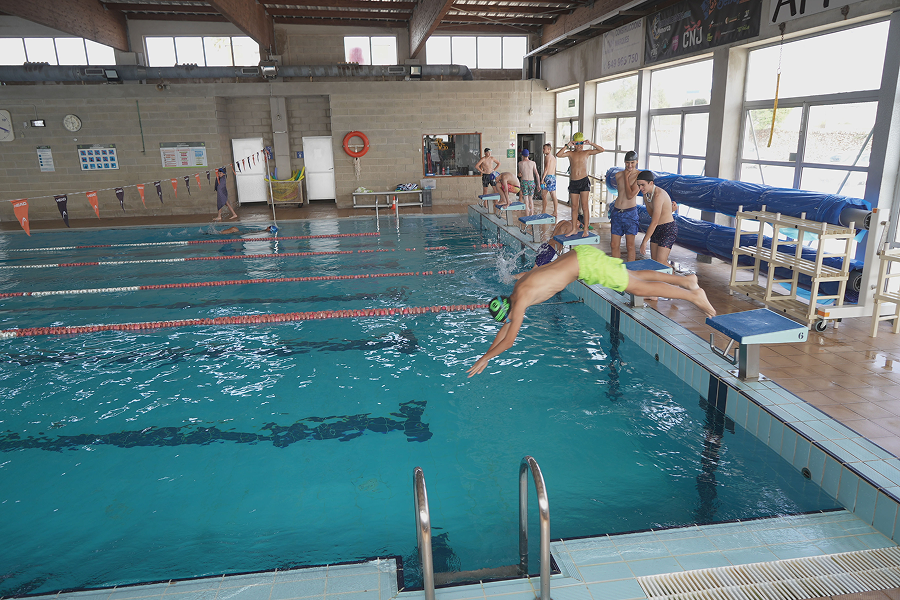
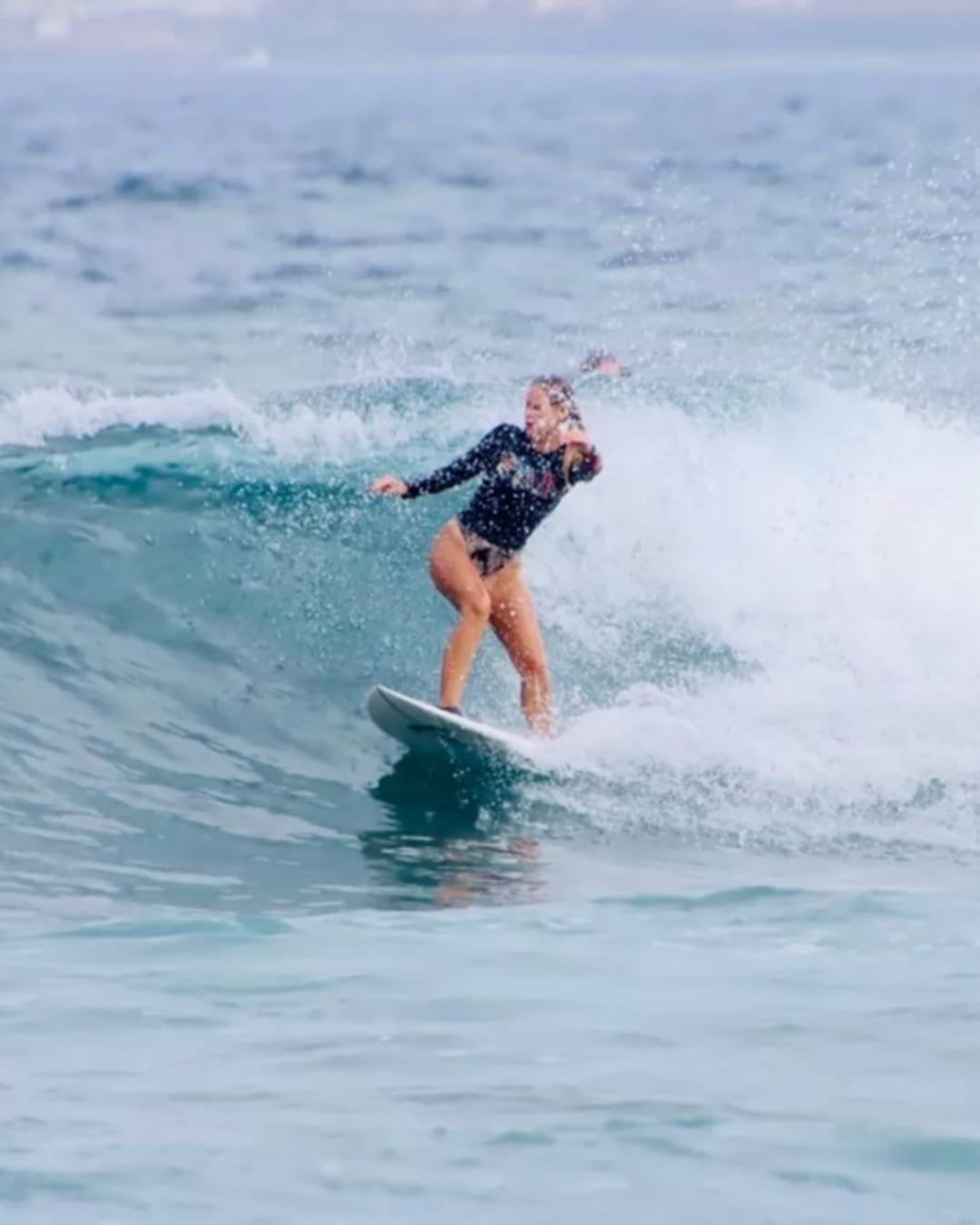
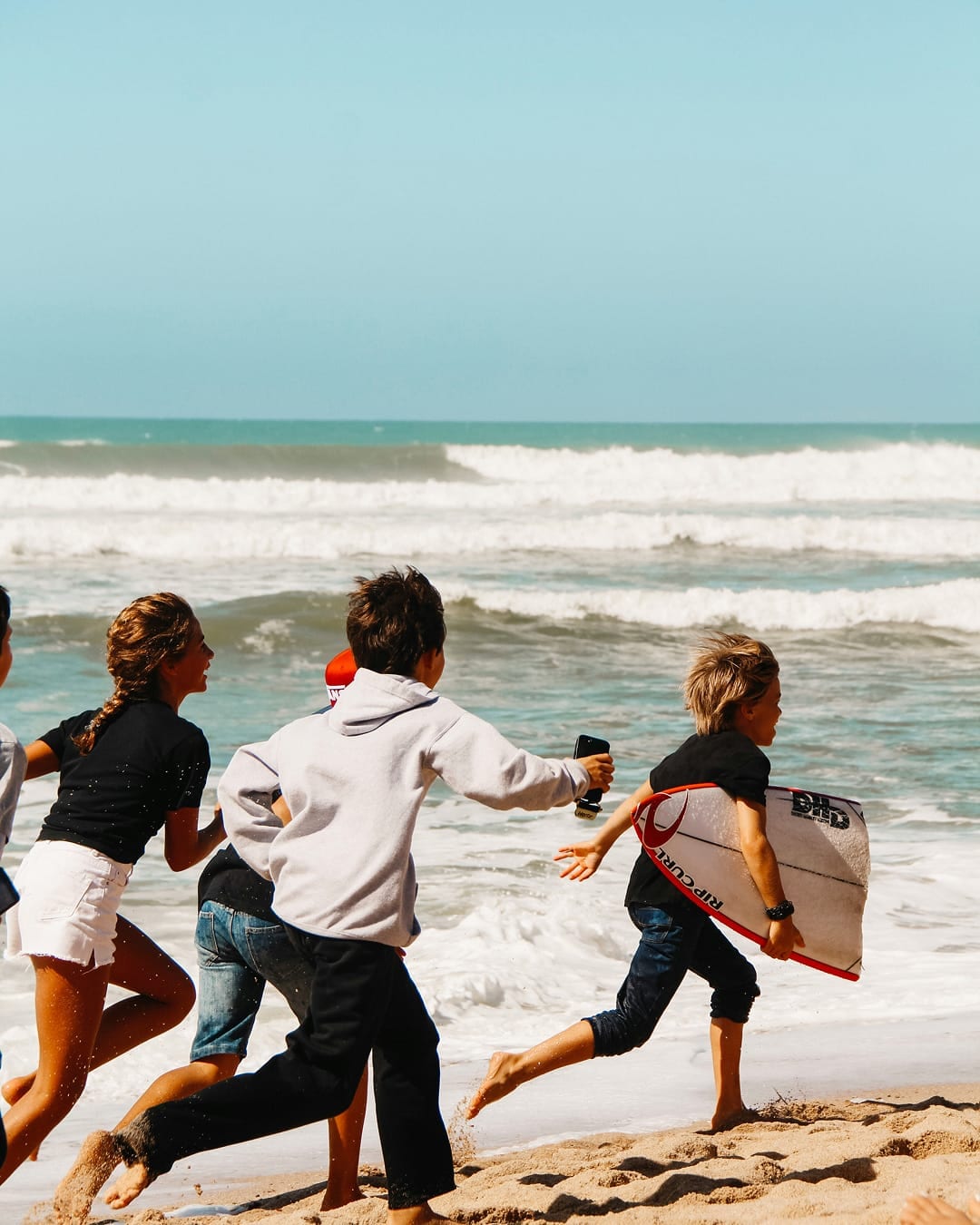
Just five minutes from the hotel, campers try surfing for the first time (or build on what they know) in small groups with professional instructors. While half surf, the other half enjoy the beach or the hotel pool.

An afternoon combining creativity with sunshine. Campers take a guided painting workshop on the beach, turning their impressions of the trip into their own artwork. A quieter, more reflective counterpoint to the more active days.

Another session in the water, with extended surf classes for all participants. More time in the sea, more time to progress.

The last beach afternoon: handball, beach paddles, gymkhana obstacle courses and relay races. Before leaving, the whole group gathers in a circle to share their favourite memory of Tenerife.

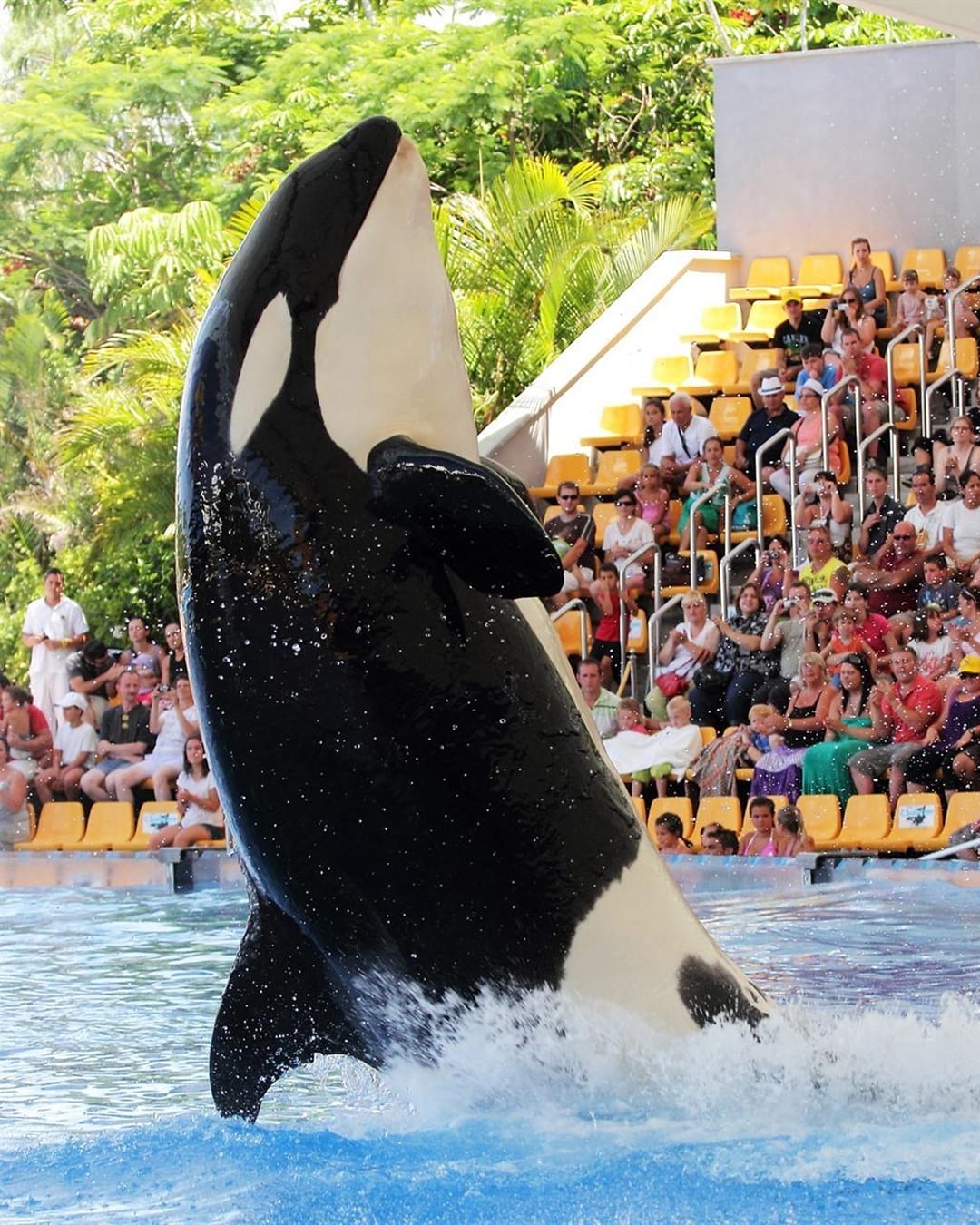
The final special-day excursion takes campers to Loro Parque, one of Europe's most celebrated wildlife parks. The visit is designed not just as a fun day out, but as a meaningful encounter with animal welfare and biodiversity conservation — themes that connect to the broader values of the camp.

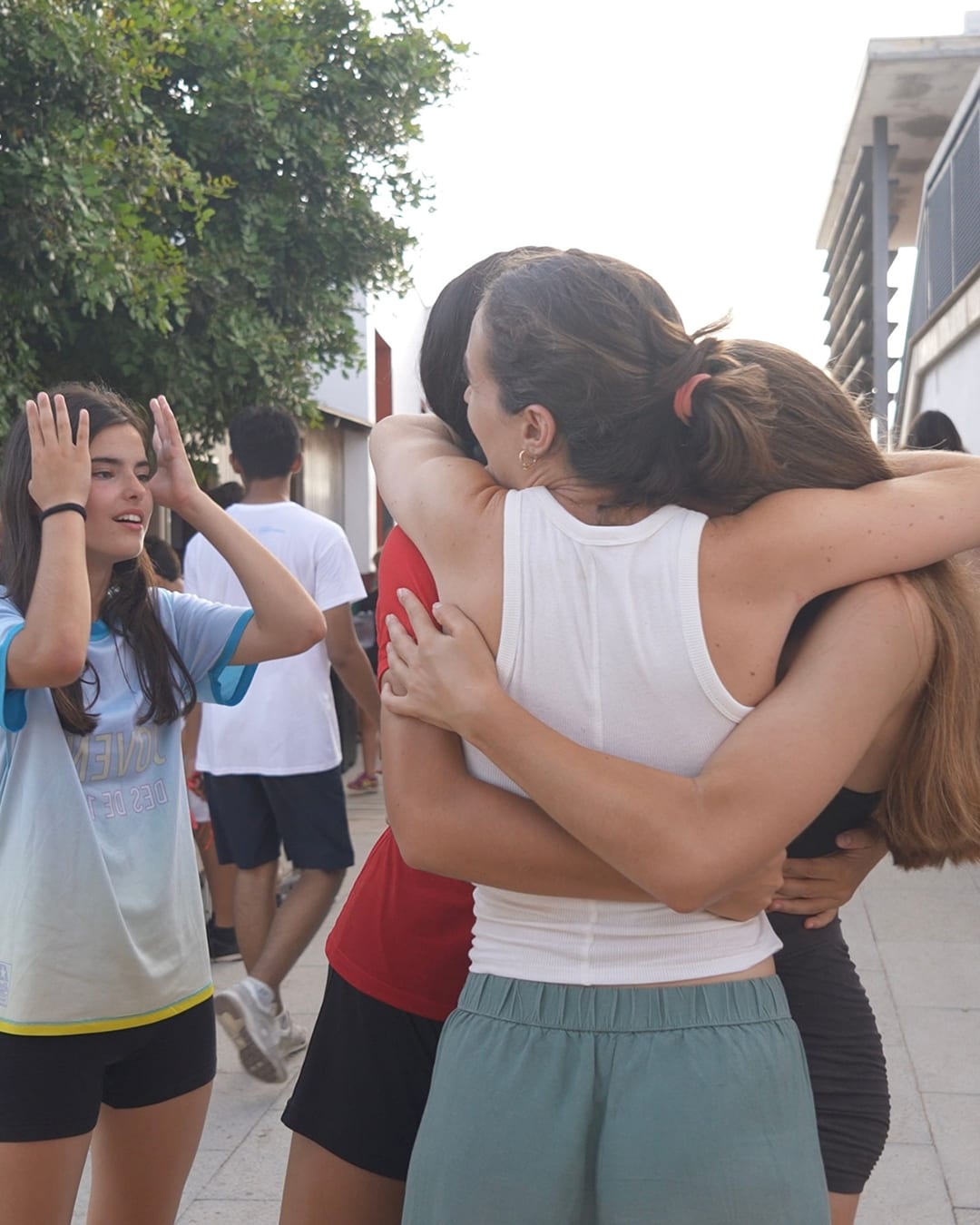
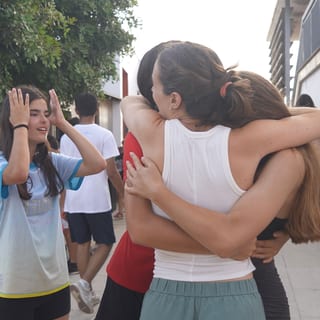
The last day brings the group together for a final activity: the jar of messages. Each camper writes a note — a reflection, an encouragement, a memory — folds it up and adds it to a shared jar. It's a simple, powerful way to close two weeks of shared experience. The day ends with a collective farewell discussion and the kind of goodbyes that usually involve promises to stay in touch.
Welcome & getting to know each other
Historic Puerto de la Cruz
Beach sports
Yoga workshop & beach
Rambla de Castro coastal trail
Traditional Canarian games
Zip-line park at Forestal Park
Teide National Park & Observatory
La Orotava cultural walk
Surfing at Playa Martiánez
Painting workshop & beach
Surfing, round two
Farewell beach games
Loro Parque
Farewell & the jar of messages

VENUE

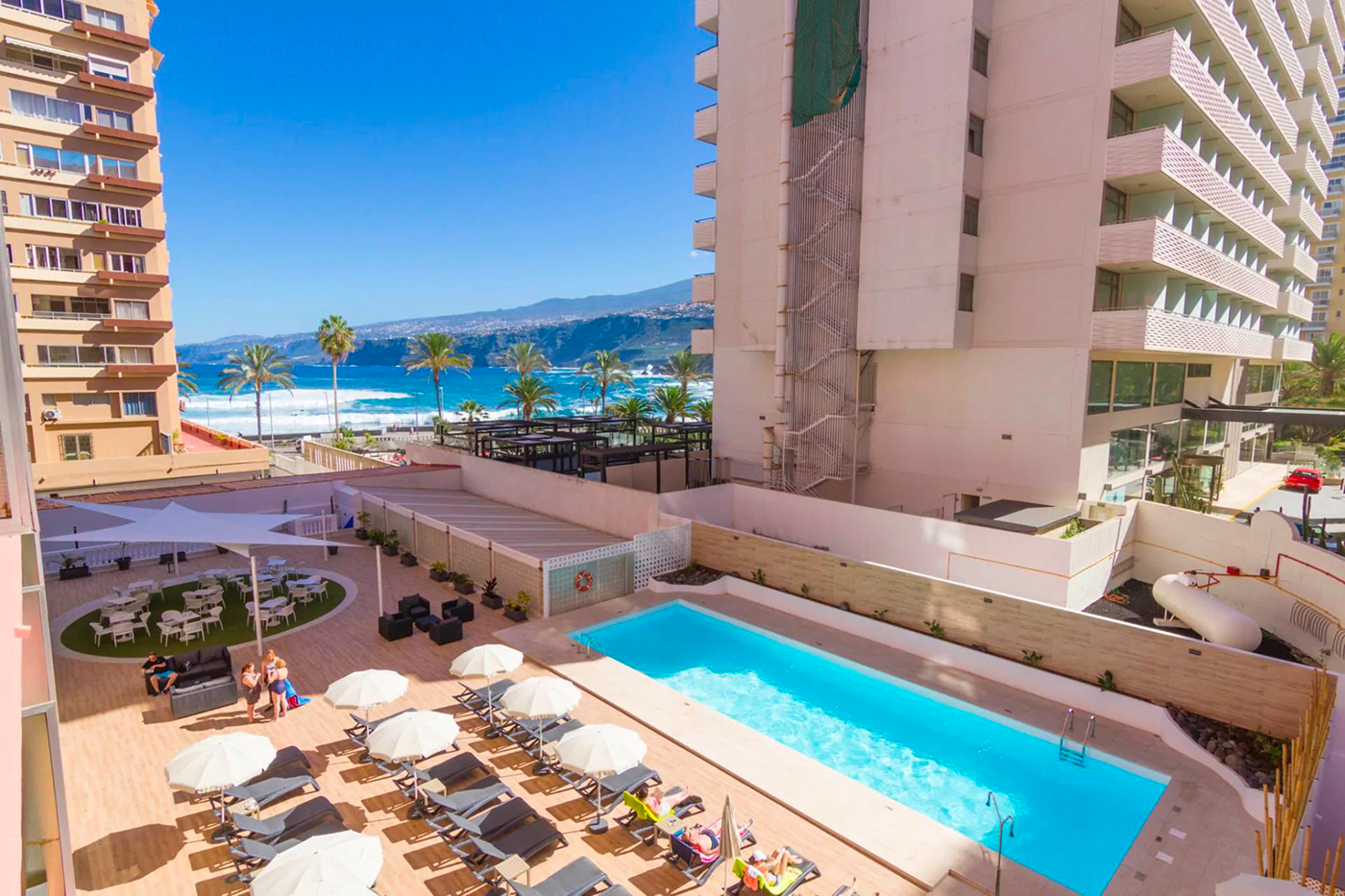
Campers stay at a 4-star property in Puerto de la Cruz, two minutes on foot from Martiánez beach. Rooms are shared between three campers, with all meals — breakfast, lunch and dinner — included on site. The northern coast keeps a mild climate even at the height of summer, so days outside stay comfortable.
  1. Hotel Concordia exterior
  2. Hotel Concordia interior

Your child is looked after at all times. Below is exactly how we take care of every camper, from the moment they land in Tenerife to the day they fly home.

  1. 01

    24/7 supervision

    Nineteen dedicated supervisors on the ground plus eight coaches always accessible — day, night, on every activity.

  2. 02

    Trained mentors

    Every staff member carries extensive experience working with children and is trained to age group and individual needs.

  3. 03

    Medical Insurance

    Civil liability, personal accident and travel assistance insurance are included.

  4. 04

    Daily updates

    Parents are kept in the loop with regular check-ins and a direct channel to the camp coordinator for anything urgent.

Camp organizers

The team behind the camp — planning the program, looking after every detail, and on call for parents and campers from the first email to the last day on the island.

  • Olga Litvinova
    Olga Litvinova Project Manager
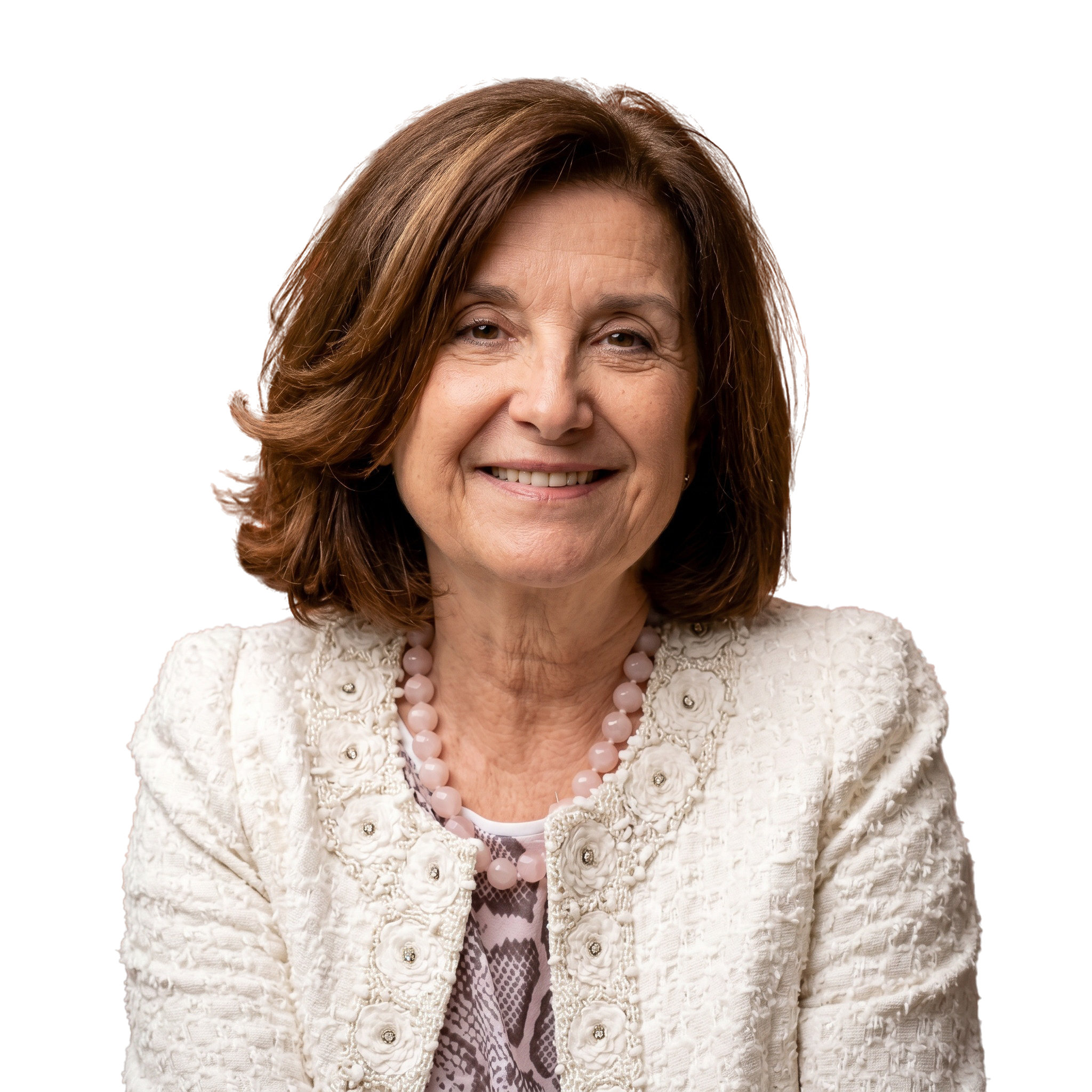
  • Patricia Carranza
    Patricia Carranza Academic Consultant
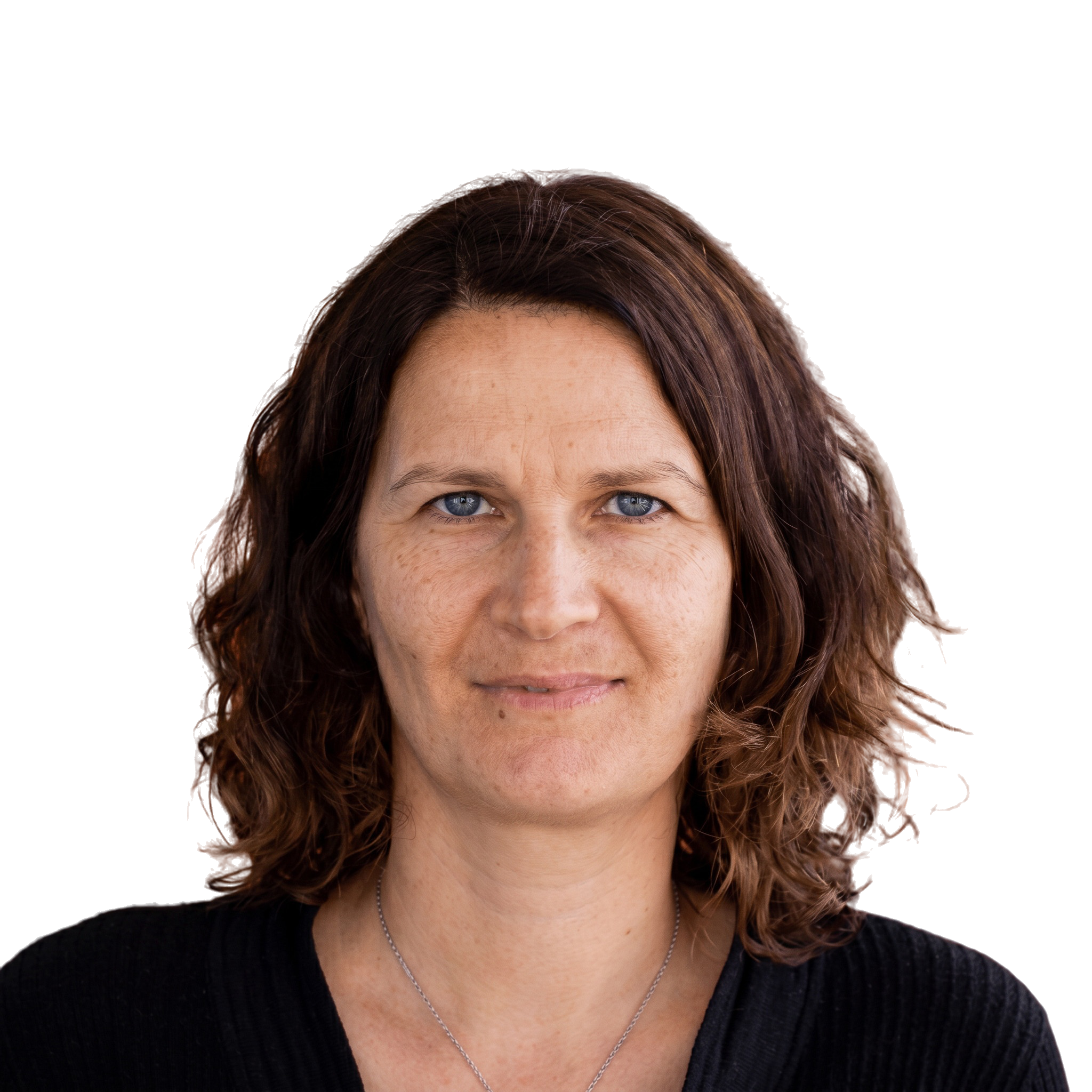
  • Maria Kanbina
    Maria Kanbina Customer Relations
  • Kalista Galic
    Kalista Galic Camp Supervisor

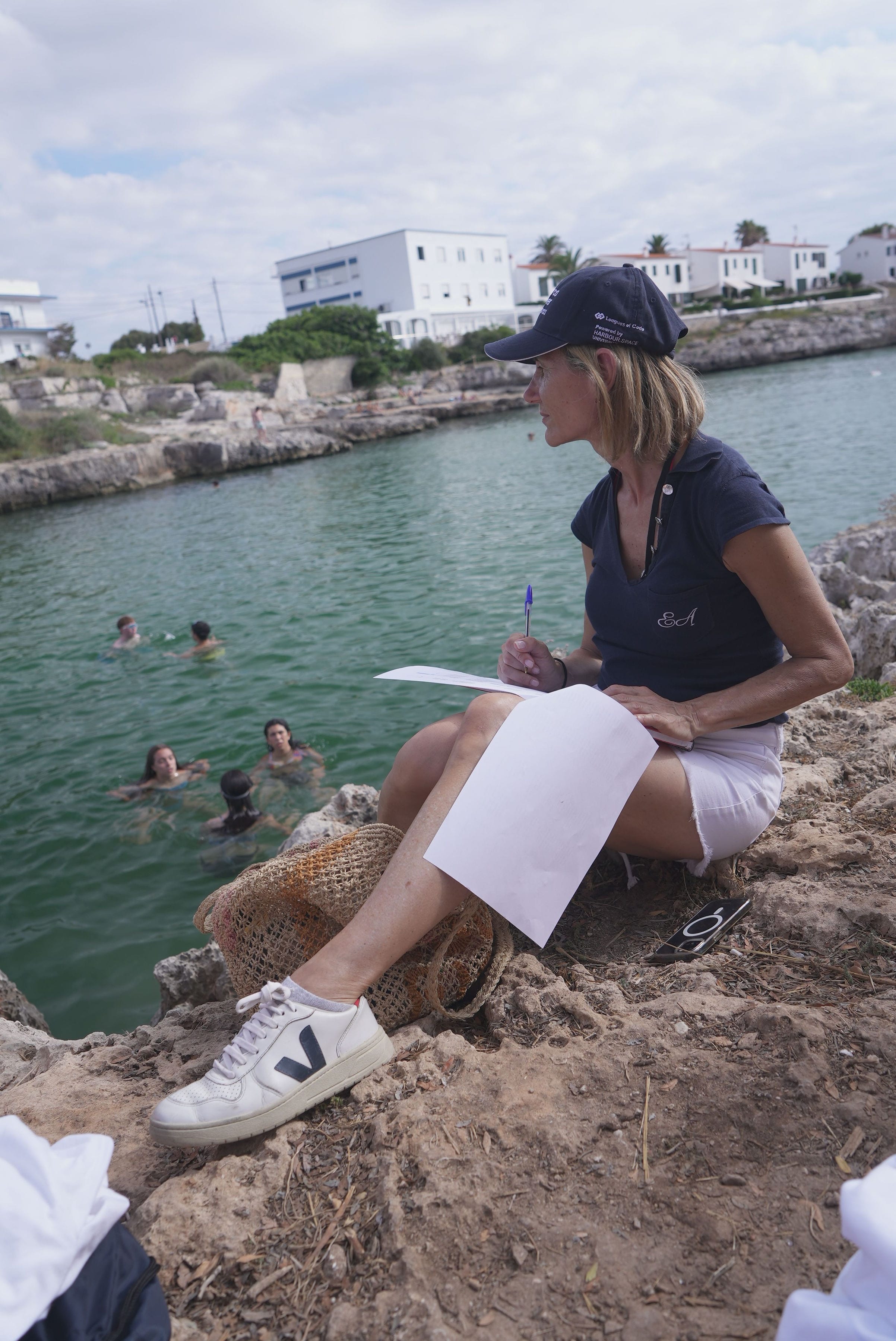
Camp staff supervising students during an outdoor activity

Every day at the camp follows the same rhythm — morning learning blocks, an unhurried lunch, the afternoon programme on the island, dinner together, and a deliberately quiet evening before the next early start. Here's how a typical day breaks down.

  1. 7:00 – 9:00

    Early rise

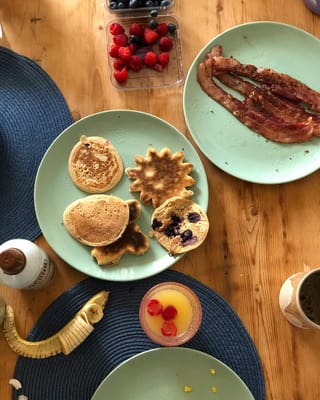
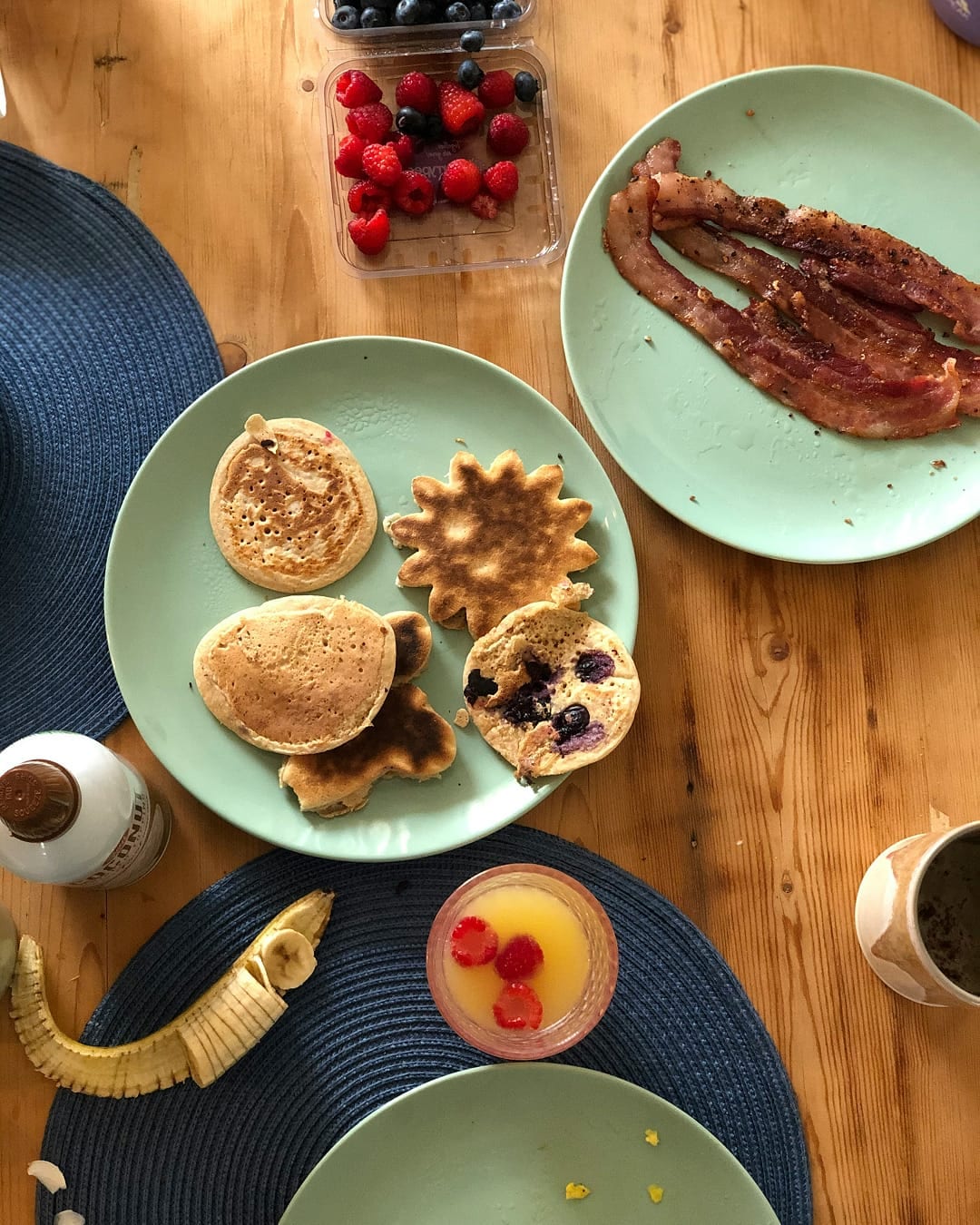
    The day starts with a morning workout, a quick clean-up, and the day's announcements. Then a generous breakfast to power through the first lecture block.

  2. 9:30 – 11:00

    1st period

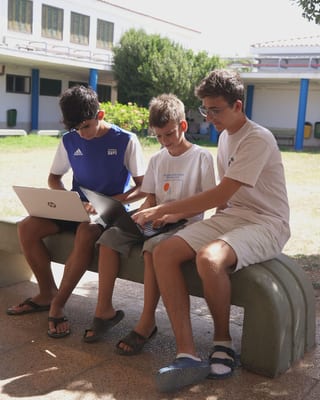
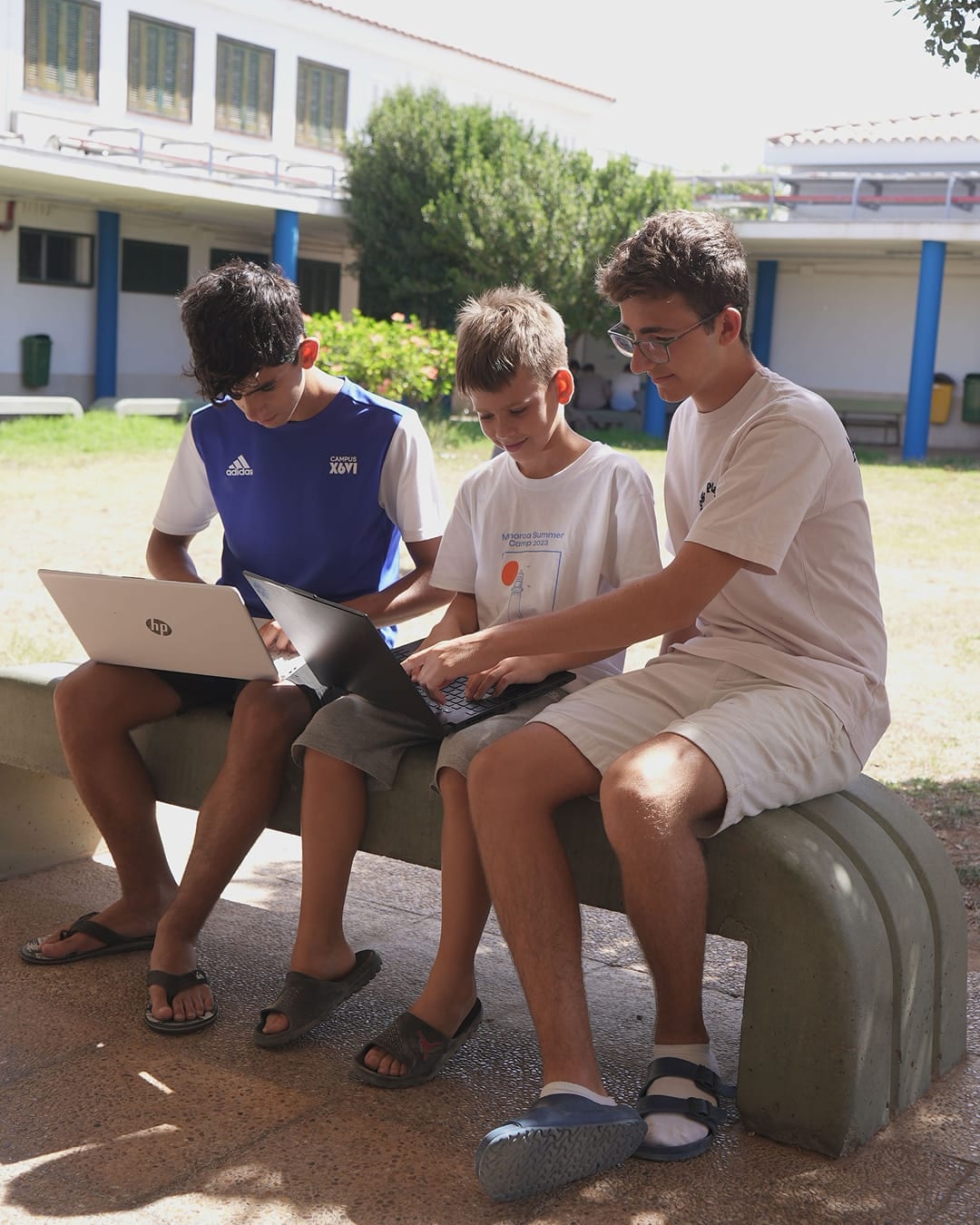
    Students pick up the day's coding skills through a mix of lectures, hands-on practice, and short quizzes that keep the room awake and accountable.

  3. 11:00 – 11:30

    Snack time

    A short break to recharge with something nutritious. Energy back up, attention reset, ready for the next block.

  4. 11:30 – 13:00

    2nd period

    The second teaching block leans into individual practice — the instructor circulates while students build their own small projects from the morning's material.

  5. 13:30 – 14:30

    Lunch

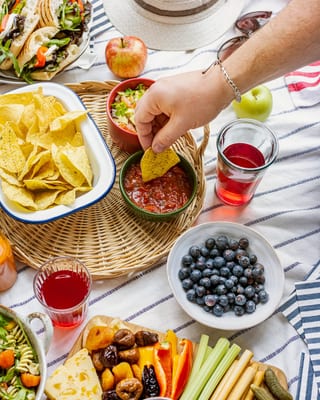
    A long, well-balanced lunch on site. Time to eat, talk, and rest before the afternoon programme picks up.

  6. 15:00 – 16:30

    3rd period

    A focused afternoon block — students continue project work, get one-on-one time with the instructor, and push their morning material toward a finished outcome.

  7. 17:00 – 19:30

    Activities

    The full afternoon goes to the extracurricular programme — beach sports, hikes, cultural walks, surfing, the workshops, the day trips. See the previous section for the day-by-day plan.

  8. 20:00 – 21:00

    Dinner

    Dinner together as a cohort — fresh seafood, Mediterranean staples, and locally-sourced produce on a rotating menu.

  9. 21:00 – 22:00

    Wind down

    The last hours of the day are deliberately unstructured — chill time, an optional movie, occasional quizzes or stargazing on the terrace, then lights out for an early start.

A DAY ATTENERIFE

Every day at the camp follows the same rhythm — morning learning blocks, an unhurried lunch, the afternoon programme on the island, dinner together, and a deliberately quiet evening before the next early start. Here's how a typical day breaks down.

7:00 – 9:00

Early rise

The day starts with a morning workout, a quick clean-up, and the day's announcements. Then a generous breakfast to power through the first lecture block.

9:30 – 11:00

1st period

Students pick up the day's coding skills through a mix of lectures, hands-on practice, and short quizzes that keep the room awake and accountable.

11:00 – 11:30

Snack time

A short break to recharge with something nutritious. Energy back up, attention reset, ready for the next block.

11:30 – 13:00

2nd period

The second teaching block leans into individual practice — the instructor circulates while students build their own small projects from the morning's material.

13:30 – 14:30

Lunch

A long, well-balanced lunch on site. Time to eat, talk, and rest before the afternoon programme picks up.

15:00 – 16:30

3rd period

A focused afternoon block — students continue project work, get one-on-one time with the instructor, and push their morning material toward a finished outcome.

17:00 – 19:30

Activities

The full afternoon goes to the extracurricular programme — beach sports, hikes, cultural walks, surfing, the workshops, the day trips. See the previous section for the day-by-day plan.

20:00 – 21:00

Dinner

Dinner together as a cohort — fresh seafood, Mediterranean staples, and locally-sourced produce on a rotating menu.

21:00 – 22:00

Wind down

The last hours of the day are deliberately unstructured — chill time, an optional movie, occasional quizzes or stargazing on the terrace, then lights out for an early start.

I won Spain's first-ever gold medal at the 2024 International Olympiad in Informatics, after training at the Harbour.Space Menorca Camp 2023.

Portrait of Alejandro Vivero

Alejandro Vivero

Gold winner student

IOI 2024

The experience was truly eye-opening. Learning advanced math and programming alongside talented students from around the world in Barcelona pushed my skills forward and gave me a strong foundation.

Portrait of Maxim Oboznyi

Maxim Oboznyi

Silver Medalist

Southwestern European Regional Contest 2022

My daughter arrived unsure about STEM, but the projects and mentors helped her see it differently. It genuinely helped her find her direction. She's now studying programming at university. We're really grateful!!

Portrait of Anna

Anna

Parent

Barcelona Summer Camp 2019

The Menorca camp was honestly incredible. The activities were hands-on, so it never felt like school, and the mentors were super friendly and helped whenever you got stuck. I'd 100% do it again.

Portrait of Jaime

Jaime

Participant

Menorca Summer Camp 2023

TESTIMONIALS

I won Spain's first-ever gold medal at the 2024 International Olympiad in Informatics, after training at the Harbour.Space Menorca Camp 2023.

Portrait of Alejandro Vivero

Alejandro Vivero

Gold winner student

IOI 2024

The experience was truly eye-opening. Learning advanced math and programming alongside talented students from around the world in Barcelona pushed my skills forward and gave me a strong foundation.

Portrait of Maxim Oboznyi

Maxim Oboznyi

Silver Medalist

Southwestern European Regional Contest 2022

My daughter arrived unsure about STEM, but the projects and mentors helped her see it differently. It genuinely helped her find her direction. She's now studying programming at university. We're really grateful!!

Portrait of Anna

Anna

Parent

Barcelona Summer Camp 2019

The Menorca camp was honestly incredible. The activities were hands-on, so it never felt like school, and the mentors were super friendly and helped whenever you got stuck. I'd 100% do it again.

Portrait of Jaime

Jaime

Participant

Menorca Summer Camp 2023

pick your PACKAGE

Both options include the full programme. Lunch and snacks during camp hours come with both. The difference is whether your child stays at the camp hotel with breakfast and dinner included, or stays elsewhere and arranges those meals separately.

With accommodation

€3,000

  • Two-week academic programme
  • Full extracurricular schedule
  • 4-star hotel + all meals
  • 24-hour supervision + insurance
Register

Without accommodation

€1,800

  • Two-week academic programme
  • Full extracurricular schedule
  • Daily lunch + snacks
  • You arrange your own accommodation
Register

FAQ & CONTACT

Need to talk through something specific? Reach out anytime at ioai.spain@harbour.space +34 671 498 303

Who is the camp for?

Curious students aged 10 to 20, with or without prior coding experience. Beginners pick the Beginner track and work up from zero; more advanced students pick the Advanced track and dive straight into olympiad-level material. Everyone shares the extracurricular programme.

Do you need prior coding experience?

Not for the Beginner tracks. Python, AI, Game Development and Design all start from zero — the goal is to build real intuition, not throw students in the deep end. The Advanced tracks (Mathematics, Algorithms, AI) assume comfort with the basics and move fast.

What's included in the price?

Two weeks of academic programme (45 hours across one chosen track), the full extracurricular programme (excursions, sports, workshops, cultural visits), a 4-star shared-room hotel stay with all meals included, transport between activities, and camp insurance.

What language is the camp in?

Everything happens in English — academic sessions, group activities, and day-to-day camp life. For most students this becomes a genuine language immersion alongside the technical learning.

Where do students stay?

At a 4-star hotel in Puerto de la Cruz on the northern coast of Tenerife, two minutes from Martiánez beach. Rooms are shared between three campers, with breakfast, lunch and dinner included on site every day.

How is supervision handled?

Nineteen dedicated supervisors are on the ground at all times, plus eight coaches who are accessible for help with anything — learning, activities, or in between. All staff are trained to be attentive to individual needs and age groups.

What do students need to bring?

A laptop is required for the academic programme. Beyond that: comfortable summer clothing for two weeks, swimwear, sunscreen, sturdy shoes for hikes, and a refillable water bottle. A full packing list is sent two weeks before camp.

Are flights included?

No — families book their own flights to and from Tenerife. Both Tenerife North and Tenerife South airports are well-connected to mainland Europe.

Is there airport transfer?

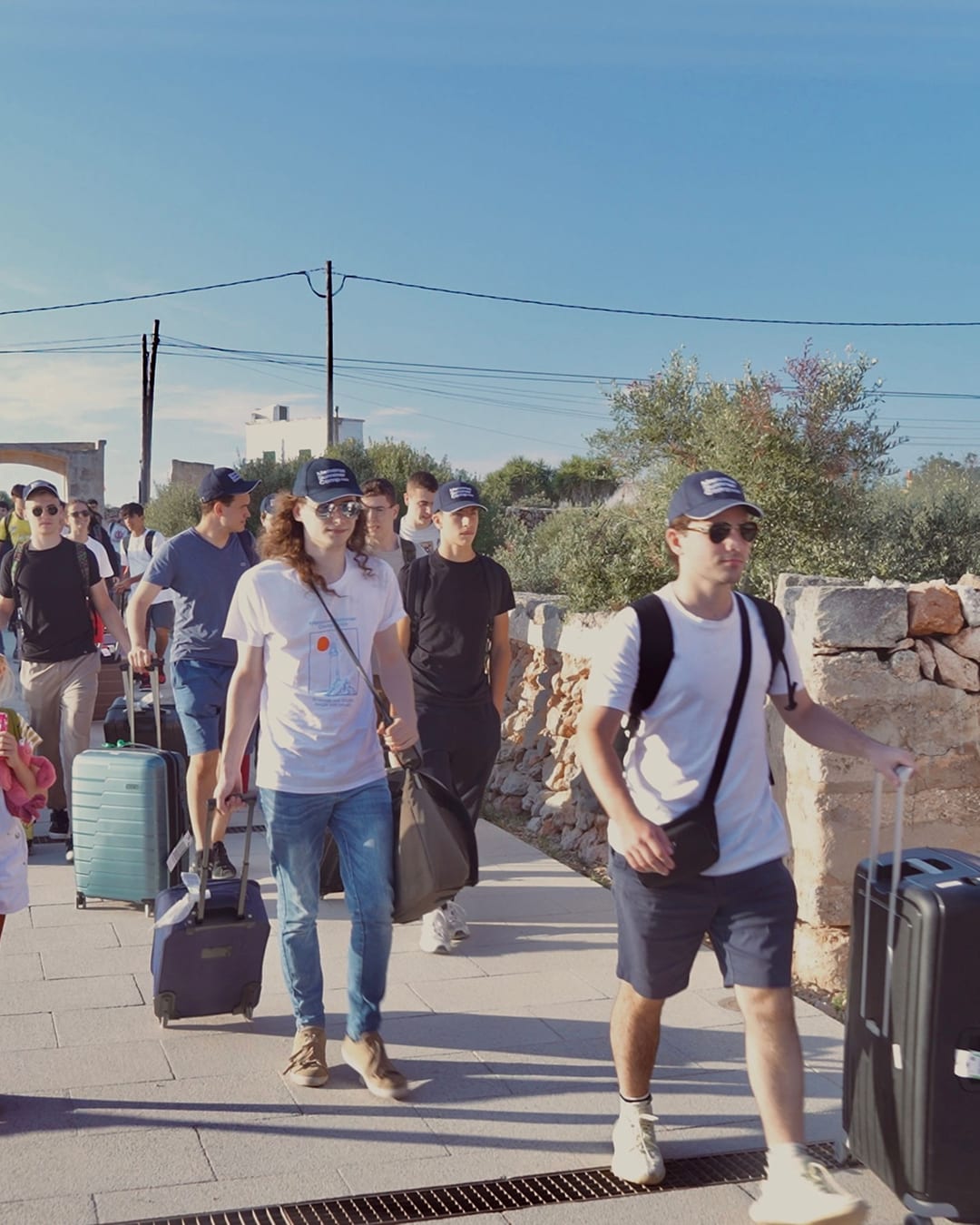
Yes. Group transfers between the airport and the hotel are organised on the published arrival and departure days. Outside those dates, transfers can be arranged for a small fee.

Two weeks of serious AI work and an unforgettable Tenerife summer. Spots are limited. Register now for July 5–19, 2026.

Register